The social audit process under the Nagorikata programme has formally begun across Bogura, Sherpur, Sunamganj and Noakhali, marking an important milestone in strengthening citizen-led accountability and engagement with local governance institutions.
Nagorikata: Civic Engagement Fund (CEF)’s programme titled “Achieving a Peaceful, Just and Inclusive Society through Enhanced Engagement of Civil Society and Citizens in Bangladesh”, aims to empower marginalised communities, including women, youth and ethnic minorities, by enabling them to engage more effectively with public institutions and influence decisions that affect their lives. A core component of the programme is the use of social audits as a practical tool to assess public service delivery and promote transparency.
The Nagorikata Programme is jointly supported by the Embassy of Switzerland, Global Affairs Canada (GAC), and the European Union facilitated by GFA Consulting Group, and implemented by CPD.
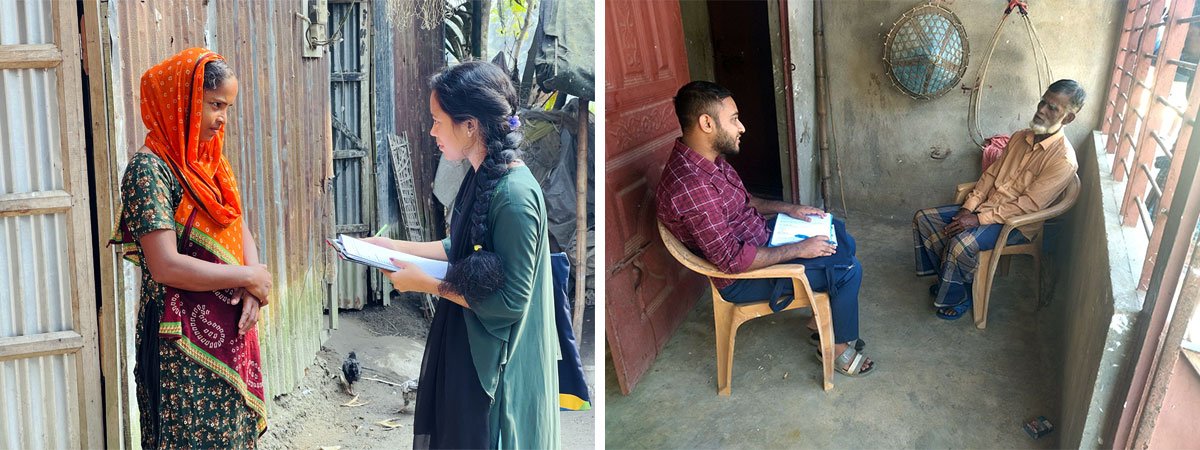
Under the programme, Citizen Group (CG) members from selected upazilas in the four districts have undergone structured training to prepare them for conducting social audits. The training focused on building practical skills, including understanding the concept and purpose of social audits, identifying priority public services, collecting and verifying information, engaging with service users, and documenting findings in a systematic and evidence-based manner. Emphasis was also placed on ethical conduct, inclusivity and constructive engagement with local authorities.
A social audit is a participatory process through which citizens assess the performance, accessibility and quality of public services by comparing official commitments with actual service delivery on the ground. Through this process, citizens identify gaps, challenges and good practices, and generate evidence that can be used to demand accountability and improvements from service providers.
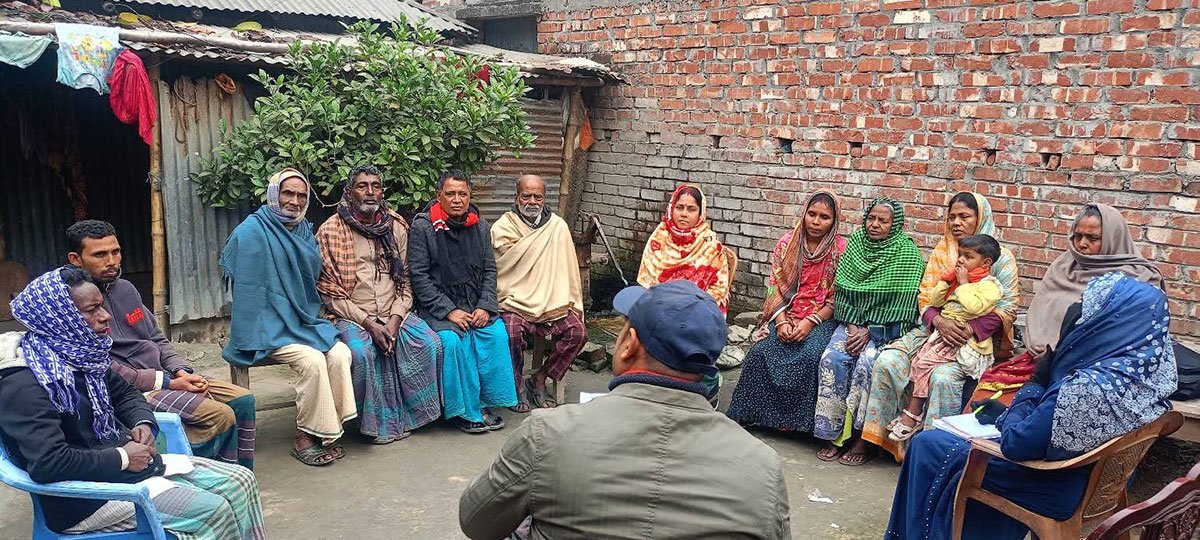
Following the completion of training, CG members have now begun conducting social audits in their respective communities. The process includes community consultations, data collection at service delivery points, and group discussions to validate findings. The social audits are being carried out with active participation from women, youth and marginalised groups to ensure that diverse perspectives are reflected.
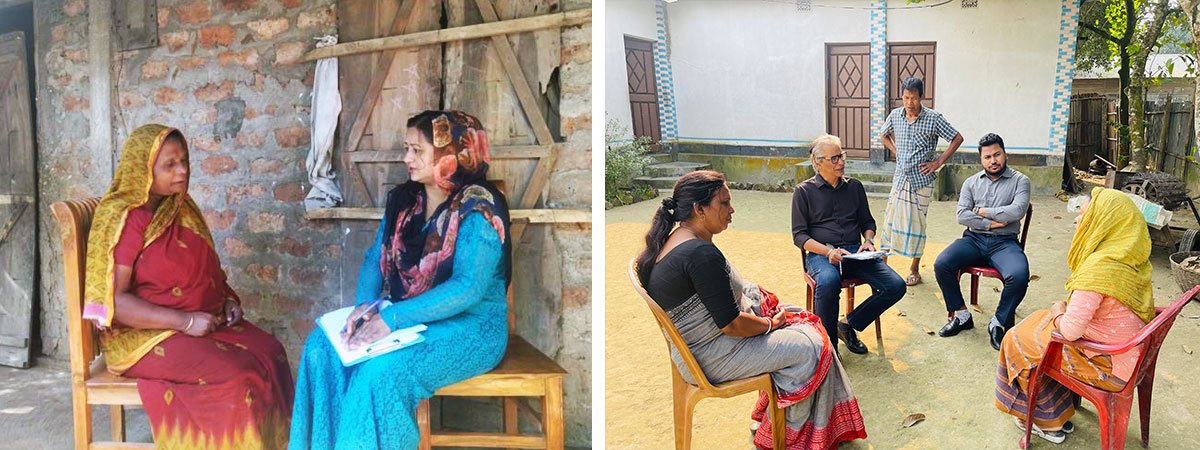
The reports generated from these social audits will be compiled at the district level and shared with relevant local authorities, creating a platform for dialogue on service delivery gaps and possible remedial actions. CPD noted that the findings will also inform broader programme learning, advocacy initiatives and policy discussions related to SDG 5 (Gender Equality) and SDG 16 (Peace, Justice and Strong Institutions).
By placing trained citizens at the centre of the accountability process, the Nagorikata programme seeks to move beyond consultation towards sustained civic engagement, where community voices contribute directly to improving governance and public service outcomes.