

Originally posted in The Daily Star on 29 October 2026
NBR faces Tk 42,000cr revenue shortfall in Q1
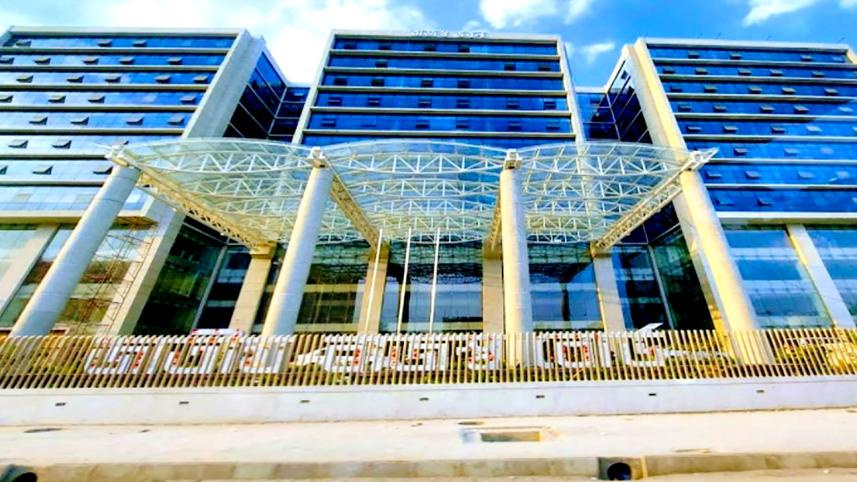
The National Board of Revenue (NBR) fell Tk 41,879 crore short of its revenue target in the first quarter of the current fiscal year, as collection grew by less than 2 percent year-on-year.
The tax authority collected Tk 92,517 crore in July-September against a target of Tk 134,396 crore, according to NBR sources. Collection stood at Tk 90,825 crore in the same period of the previous fiscal year.
NBR officials partly attributed the sluggish collection to a change in value-added tax (VAT) return rules, which allowed businesses to file returns quarterly instead of monthly.
Many businesses did not submit returns in July and August, contributing to lower VAT collection in September, they said.
The government restored monthly VAT return filing earlier this month amid concerns over revenue collection and operational difficulties.
Officials, however, said the change was not the sole reason for the shortfall. They also blamed poor management by the current NBR administration and a lack of dynamism among field-level officials.
The weak start has raised concerns over the NBR’s ability to meet its ambitious annual revenue target of more than Tk 600,000 crore.
Md Deen Islam, research director of the Research and Policy Integration for Development (RAPID), said sluggish revenue collection could constrain government spending at a time when the economy needs investment to support growth and job creation.
He warned that higher government borrowing could crowd out private-sector credit, making it harder for businesses to invest and expand production.
“The private sector is already facing a credit crunch and very high borrowing costs. If public-sector borrowing increases further, we may see a crowding-out effect. Those who will suffer the most are businesses engaged in the productive sector,” he said.
Deen added that inflation could also come under pressure.
If government borrowing reduces credit available to private businesses and weakens productivity, controlling prices could become more difficult, he said.
Weak economic growth is itself weighing on revenue collection, creating a cycle in which lower receipts restrict public spending, according to Deen.
“If production declines, revenue collection falls. When economic growth fails to reach the expected rate, the government collects less revenue, which further constrains its ability to spend,” he said.
He described the emerging situation as a shift towards procyclical fiscal policy, in which weak growth and lower revenue collection reinforce each other, limiting the government’s ability to support demand during a slowdown.
“This is concerning because, when fiscal policy becomes procyclical, the government’s ability to address economic challenges declines,” he said.
Prolonged fiscal constraints could also affect social protection, education and other public services, potentially widening inequality, he added.
Towfiqul Islam Khan, additional research director of the Centre for Policy Dialogue (CPD), said the shortfall stemmed from several factors, including the VAT filing change, a slowdown in economic activity and weaknesses in revenue administration.
It is too early to assess the full impact of quarterly VAT filing, as figures due in October will give a clearer picture of the trend, he said.
Banking sector reforms could also affect tax receipts, Towfiqul said. As banks make higher provisions against bad loans, their reported profits may fall, reducing their corporate tax payments to the government.
A significant shortfall was a concern even during budget preparation, he said.
Under an optimistic collection scenario, he estimated that the gap could reach around Tk 1.30 lakh crore this fiscal year unless revenue mobilisation improves substantially.
Towfiqul said the government should consider revising the budget to reflect the actual fiscal situation rather than holding to the original targets without addressing the emerging gap.
“Presenting the actual fiscal situation transparently is important for building public confidence in the government,” he said, stressing the need for stronger revenue administration, structural reforms and greater accountability in public financial management.