

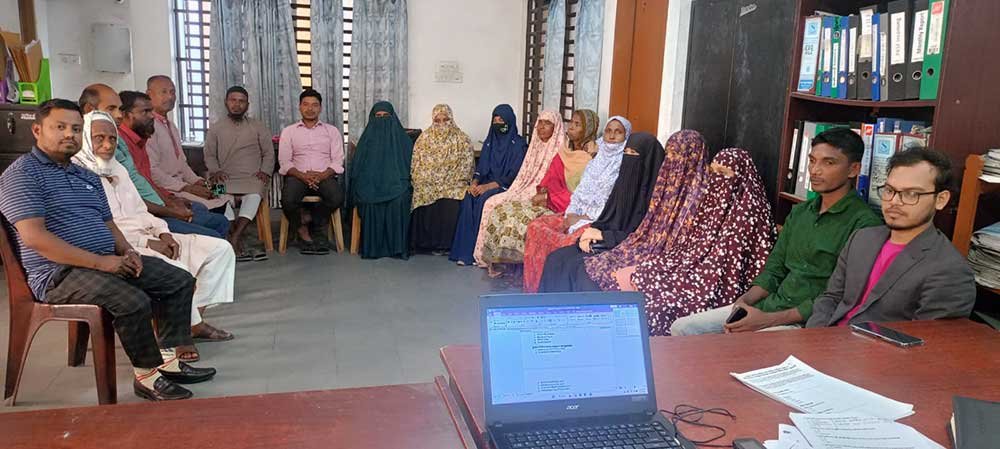
Citizen groups across Gabtoly, Sariakandi, Shajahanpur and Shibganj in Bogura brought a sharp focus to some of the district’s most pressing local concerns during their third quarterly meetings, where participants raised alarm over drug abuse, weaknesses in public services and the need for stronger accountability in local governance. The meetings brought together community members, volunteers and local representatives who reflected on progress, discussed problems affecting daily life and shared proposals for improving service delivery and civic participation.
Nagorikata: Civic Engagement Fund (CEF)’s programme titled “Achieving a Peaceful, Just and Inclusive Society through Enhanced Engagement of Civil Society and Citizens in Bangladesh”, is designed to empower marginalised communities, including women, youth and ethnic minorities, by enabling them to participate more effectively in local decision-making processes. The project places particular emphasis on citizen mobilisation, social audits and constructive engagement with local authorities to improve public service delivery and accountability. The Nagorikata Programme is jointly supported by the Embassy of Switzerland, Global Affairs Canada (GAC), and the European Union facilitated by GFA Consulting Group, and implemented by CPD.
This marked the third round of quarterly meetings organised by CPD under the project. In this third cycle, 16 quarterly meetings were conducted with Citizen Groups across Bogura, Sherpur, Sunamganj and Noakhali, covering selected upazilas where socio-economic vulnerabilities and governance challenges were more pronounced. In Bogura, four of these meetings were held in Gabtoly, Sariakandi, Shajahanpur and Shibganj.
Implemented locally by Gram Unnayan Karma (GUK), the Bogura meetings served as a platform for reviewing decisions taken earlier, sharing lessons from social audits, preparing community messages for discussions with the Deputy Commissioner and reflecting on participation in the 2026 national election. Across the four upazilas, participants stressed that citizen engagement had become increasingly important in identifying local problems, monitoring services and ensuring that authorities remained responsive to the needs of ordinary people.
Although each upazila raised its own set of concerns, several issues emerged repeatedly across the meetings. Drug abuse among young people was one of the strongest concerns, alongside growing anxiety over weak service delivery, limited transparency and poor follow-up in local institutions. Participants said these were not isolated problems, but signs of wider gaps in governance that continued to affect vulnerable communities.
In Gabtoly, participants highlighted increasing drug abuse among youth, school dropout, unemployment, a lack of playgrounds and training facilities, weak transparency in local service centres, online gambling and child marriage. They called for stronger public awareness campaigns, better youth opportunities and closer monitoring of development activities so that community concerns would not be ignored.
In Sariakandi, discussions drew attention to weak village court operations, child marriage, drug abuse, juvenile gangs, poor transport and communication systems, inadequate health services, unfair pricing of agricultural products and irregularities in local markets. Participants emphasised that better coordination between citizens and local authorities would be necessary to address these problems effectively and restore public confidence in local institutions.
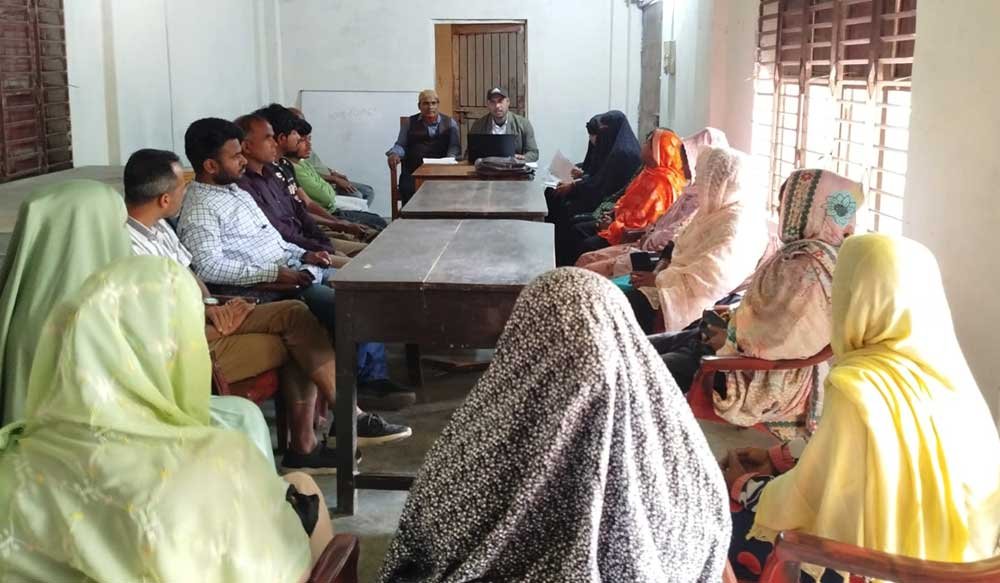
In Shajahanpur, citizen group members raised concerns about drug abuse, a lack of transparency and accountability in accessing government services such as social allowances and birth registration, the misuse of social media linked to crime and online gambling, environmental damage caused by illegal soil cutting, and public frustration over extra electricity charges. Participants also discussed the Family Card issue and stressed that active monitoring and stronger public oversight were needed to prevent abuse and improve service access.
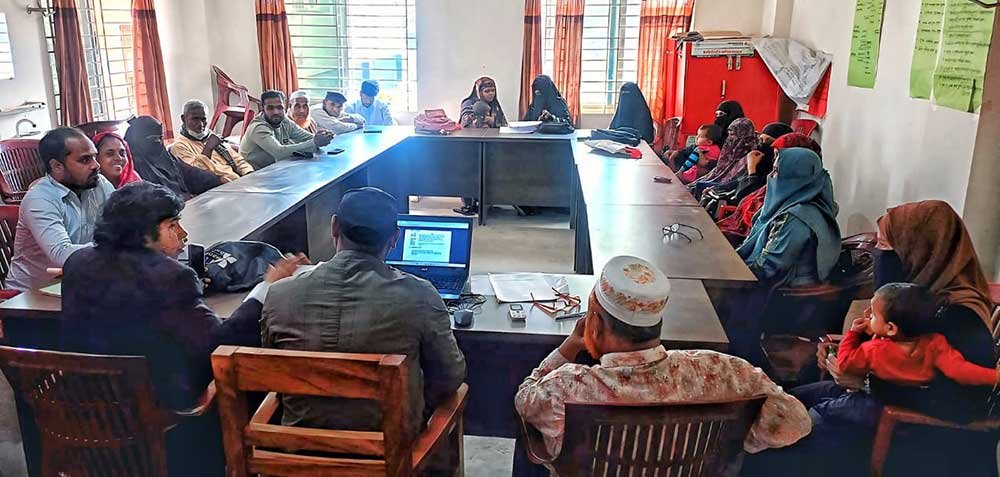
In Shibganj, discussions focused on excessive electricity bill charges, the need to simplify and expand allowances for widows, older persons and persons with disabilities, juvenile delinquency, drugs, online gambling, youth training and employment, housing for landless families and fair access to agricultural inputs. Participants said these concerns reflected the daily struggles of local people and required more practical and coordinated responses from the administration.
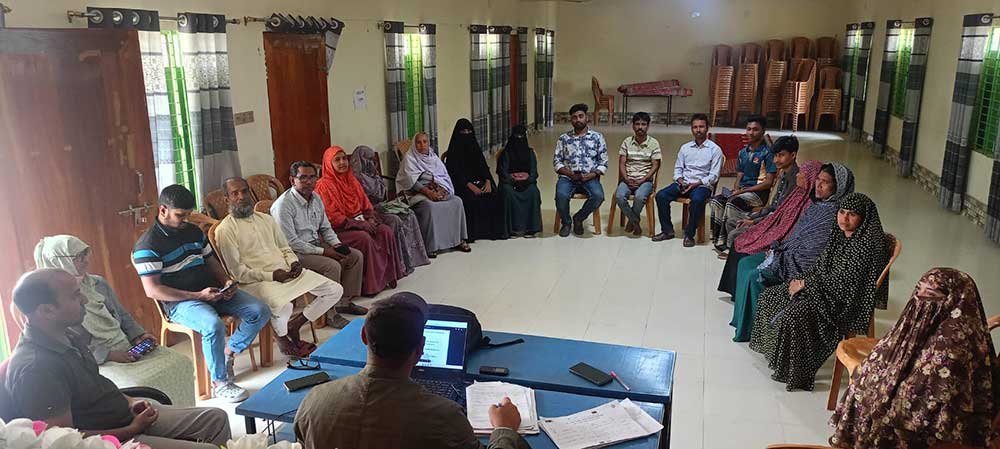
A central theme across all four meetings was the importance of social audits in revealing gaps in service delivery and helping citizens speak with greater confidence about local problems. Participants said these exercises had made it easier to identify shortcomings in health, education, agriculture and other services, while also creating a more organised way to engage with local authorities. The meetings suggested that social audits were becoming an increasingly useful tool for strengthening transparency and accountability at community level.
The meetings also reflected encouraging participation by women, young people and marginalised groups, showing that civic engagement in Bogura was widening beyond traditional local leadership circles. Participants repeatedly said that such forums had helped communities become more aware of their rights, more vocal about local concerns and more prepared to engage in democratic and governance processes.
Despite the long list of challenges, the overall mood of the meetings remained constructive. Participants did not simply identify problems; they also discussed practical responses, including awareness campaigns, stronger monitoring, closer coordination with public offices and continued follow-up through future meetings. Their reflections suggested that sustained citizen participation was beginning to create a stronger culture of accountability in the district.
Taken together, the four quarterly meetings in Gabtoly, Sariakandi, Shajahanpur and Shibganj showed that citizen groups in Bogura were doing more than holding discussions. They were bringing hidden problems into the open, pushing for better public services and demanding greater accountability from local institutions. In doing so, they were helping to turn civic participation into a meaningful force for local change.