

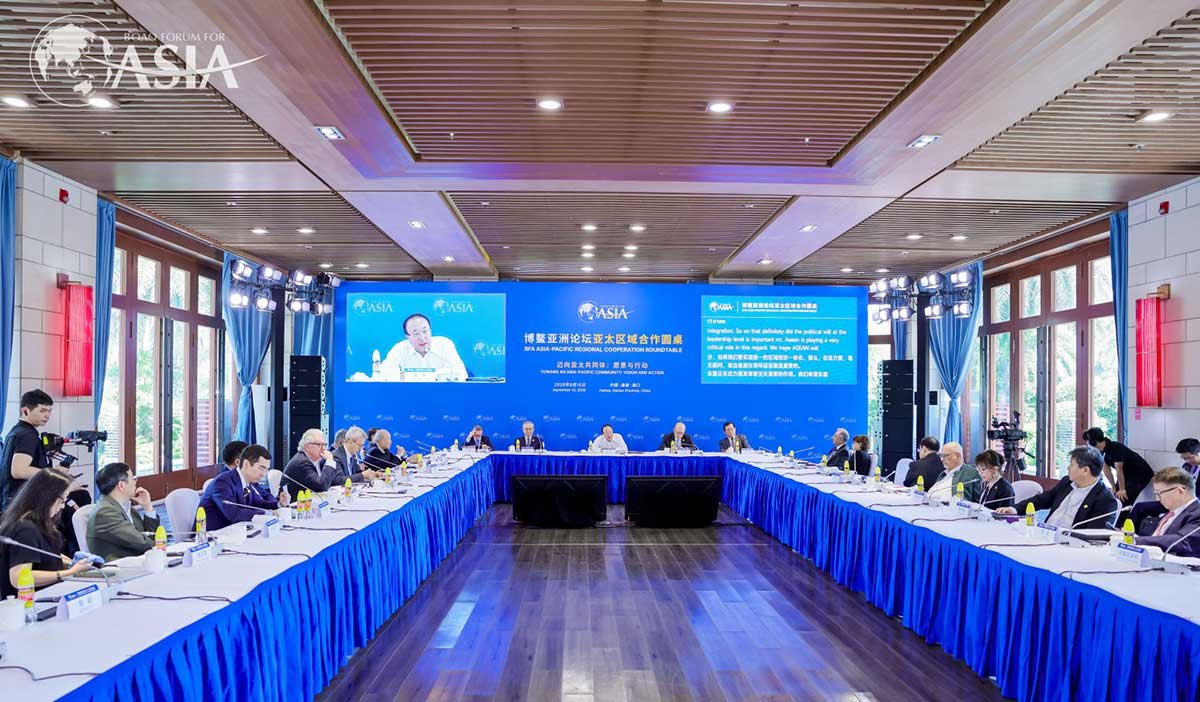
The Boao Forum for Asia’s Asia-Pacific Regional Cooperation Roundtable was held on 15 September 2026 in Haikou, China. Participants from Bangladesh, China, Hong Kong, Viet Nam, Thailand, Kazakhstan, Uzbekistan and Brazil joined the discussion.
As a round-table participant, Dr Debapriya Bhattacharya shared his perspectives on how Asia can respond to energy shocks through deeper regional cooperation, cross-border energy connectivity and stronger policy coordination. The discussion was particularly relevant as recent global developments have exposed deep vulnerabilities in Asia’s energy sector.
Two models of Asian energy cooperation • Dr Deb pointed to two regional experiences as useful benchmarks for developing regional energy cooperation. The first is the ASEAN Power Grid (APG), and the second is Bangladesh, Bhutan, India and Nepal (BBIN) energy cooperation. The APG aims to connect countries so that surplus electricity can be exported to deficit countries. The BBIN model has interconnected grids, but electricity trade remains below its potential.
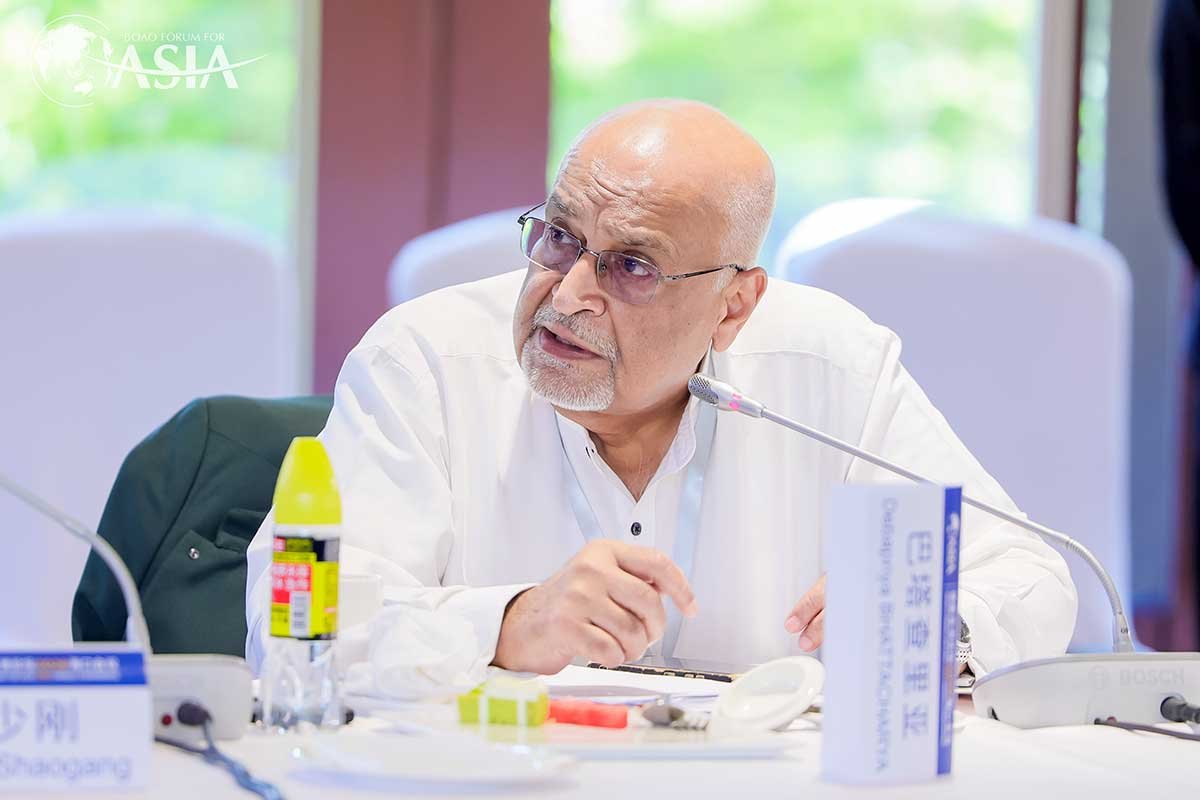
Dilemma of Bangladesh • Turning to Bangladesh, Dr Deb noted that the challenge is not simply about securing more fuel supply. It is about balancing affordability and consistent supply while reducing dependence on imported fuels. Bilateral cooperation has helped Bangladesh diversify its energy mix and expand access to cleaner sources.
The challenge ahead is to expand access to regional energy markets without creating new forms of long-term dependence. To address this challenge, Bangladesh seeks to strengthen domestic gas supply through greater mainland and offshore exploration.
Towards a unified Asian energy market • Dr Deb argued that Asia needs to move beyond bilateral energy deals towards a more connected regional system. This requires compatible regulations, predictable trade rules, mechanisms to manage political and commercial risks, and stronger financing. He pointed to a larger opportunity – building an Asian energy market that connects producers, transit countries, and consumers.
He noted that Asia’s energy complementarity could turn supply imbalances into a source of regional resilience. He also emphasised the importance of bringing other key regional countries into the discussion.
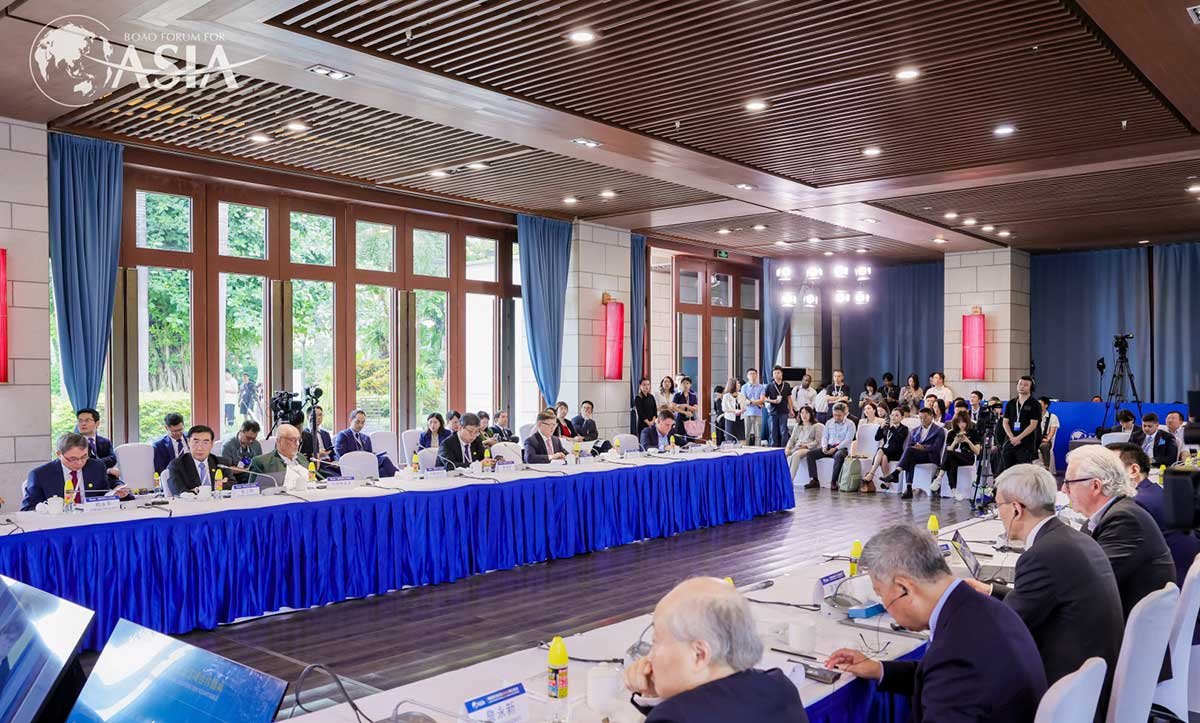
The event was chaired by H.E. Mr Zhang Jun, Secretary General, Boao Forum for Asia and Former Permanent Representative of China to the United Nations. Chen Dongxiao, President, Shanghai Institutes for International Studies (SIIS), moderated the session. Other speakers were Tự-Anh Vũ-Thành, Dean, Fulbright School of Public Policy and Management; Birzhan Batkeyev, Chairman of the Management Board, Economic Research Institute of Kazakhstan; Eldor Aripov, Director, Institute for Strategic and Regional Studies; and Wang Qianzheng, Research Fellow, Boao Forum for Asia.