
The Centre for Policy Dialogue (CPD) has partnered with four Non-Governmental Organisations (NGOs) to roll out the Nagorikata programme across Bogura, Sherpur, Sunamganj and Noakhali. The partnerships are intended to strengthen citizen engagement, social accountability and more responsive local governance in some of the country’s most vulnerable areas.
Nagorikata: Civic Engagement Fund (CEF)’s programme titled “Achieving a Peaceful, Just and Inclusive Society through Enhanced Engagement of Civil Society and Citizens in Bangladesh”, seeks to address entrenched socio-economic and political inequalities that limit the participation of marginalised groups, including women, young people and ethnic minorities. Through citizen mobilisation and social audits, the programme aims to help communities influence public service decisions and advance progress towards SDG 5 (Gender Equality) and SDG 16 (Peace, Justice and Strong Institutions).
This programme is jointly supported by the Swiss Agency for Development and Cooperation (SDC) and Global Affairs Canada (GAC), facilitated by GFA Consulting Group, and implemented by CPD.
As implementing partners, CPD is working with Gram Unnayan Karma (GUK), Participatory Research and Action Network (PRAAN), Indigenous Peoples Development Services (IPDS) and Efforts for Rural Advancement (ERA). To initiate the programme, CPD officials visited the four districts in April and May 2025, meeting partner leadership and senior teams to confirm strategy, clarify implementation roles and agree on immediate steps for the next project period.
Sunamganj | Partnership Meeting with ERA (15–16 April 2025)
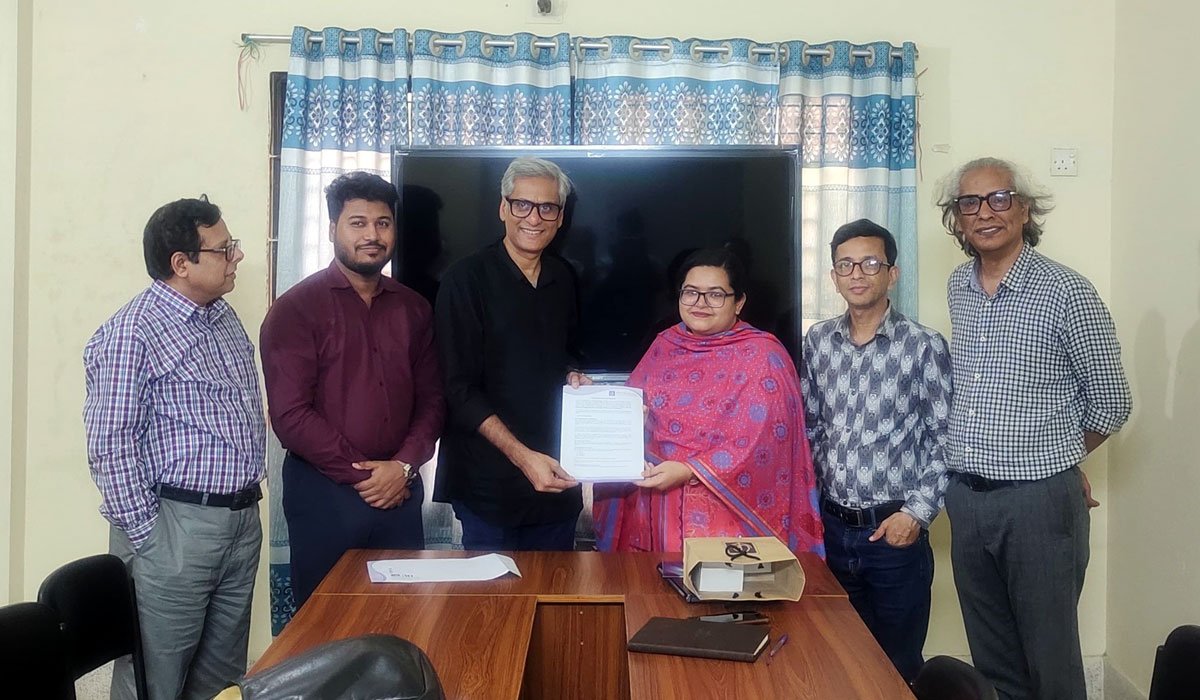
The two-day meeting in Sunamganj was hosted at ERA’s office, where Dr Psyche Islam, Executive Director of ERA, opened proceedings by highlighting the shared objectives of the partnership and the need for coordinated action in a disaster-prone and lagging-behind context.
Partner teams reviewed the implementation roadmap, including community mobilisation, formation of Citizen Groups and the rollout of social audits as a tool to improve transparency and accountability in local service delivery. The meeting also included a formal review of the partnership agreement, reinforcing ERA’s role in community engagement, social audit facilitation and reporting.
On the second day, discussions focused on selection criteria for Citizen Group members and Community Volunteers, and how social audits would be conducted at the local level so that citizen priorities, particularly those of women and excluded groups, are reflected in public decisions.
In the concluding session, Mr Kamrujjaman, Programme Director of ERA, reaffirmed organisational commitment and noted that the partnership would prioritise equity and social justice outcomes. The meeting set near-term deliverables, including recruitment and onboarding targets, and agreed on a district-level orientation in Sunamganj involving Citizen Group members and volunteers.
Sherpur | Partnership Meeting with IPDS (20–21 April 2025)
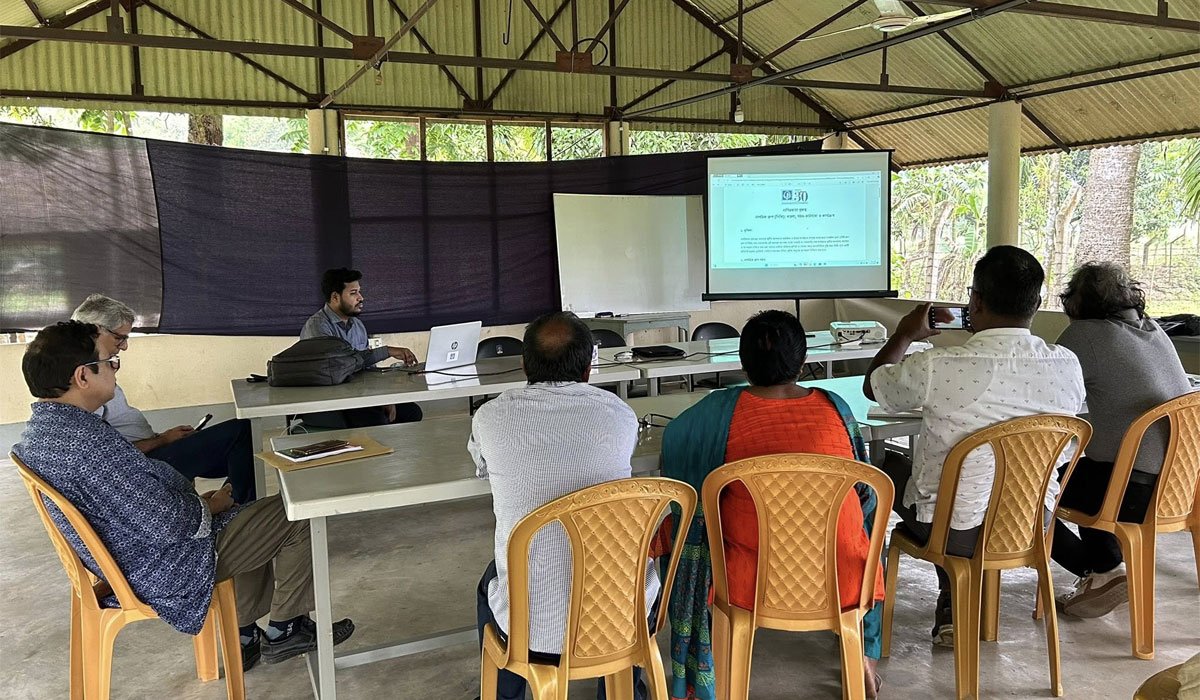
The Sherpur partnership meeting was hosted by IPDS at the Skipara Resource Centre, with Mr Ripon Banai, Programme Coordinator of IPDS, welcoming participants and underscoring the importance of aligning field implementation with a clear citizen-engagement strategy from the outset.
The meeting mapped out how citizen mobilisation would be operationalised in selected upazilas, with emphasis on inclusive participation and practical mechanisms for engaging local authorities. A technical session on day two concentrated on Citizen Group and volunteer selection and social audit methodology, including how findings can be documented and used to support evidence-informed dialogue with local institutions.
IPDS shared that a Field Coordinator had already been recruited, and the partners agreed timelines for group formation and volunteer onboarding. The meeting also highlighted capacity requirements for implementation quality, including the need for strong financial and administrative systems at field level to support programme delivery.
Noakhali | Partnership Meeting with PRAAN (26–27 April 2025)
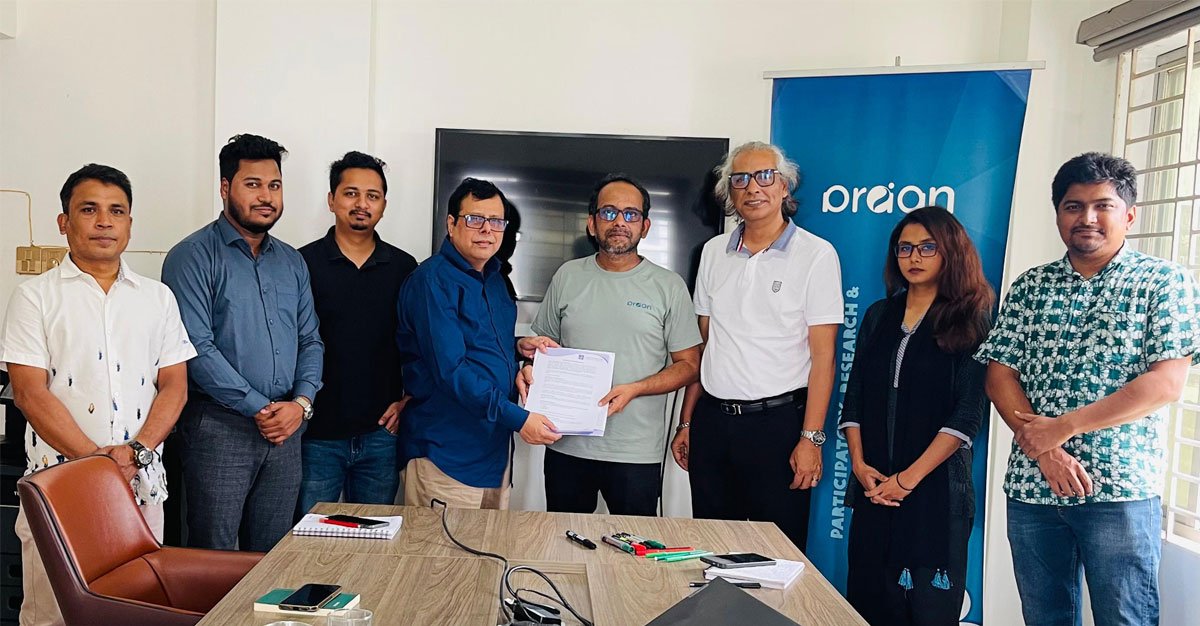
The Noakhali partnership meeting was held at PRAAN’s office in Maijdi, with Ms Umme Salma, Programme Coordinator of PRAAN, welcoming the joint team and stressing the importance of early alignment on outreach and mobilisation approaches.
A central element of the meeting was the review of the partnership agreement and confirmation of PRAAN’s responsibilities for mobilisation, social audits and routine reporting. The session then moved into practical planning, including how Citizen Groups would be formed in targeted areas and how volunteers would be identified to support continuous engagement with communities.
On 27 April, a detailed discussion on selection criteria and the social audit process explored how public service issues, especially those affecting poor households, women and excluded groups, could be tracked and raised with local authorities in an organised manner. PRAAN also shared lessons from previous civic engagement work, noting that limited community awareness and resource constraints would need deliberate attention through structured mobilisation and training.
PRAAN reported that a Field Coordinator had been onboarded, and the partners agreed immediate next steps leading to district orientation and capacity-building activities.
Bogura | Partnership Meeting with GUK (4–5 May 2025)

The Bogura partnership meeting was hosted at GUK’s head office, where Dr Mahbub Alam, Senior Director of GUK, welcomed CPD’s engagement and pointed to the opportunity for stronger community voice in local governance.
The meeting reaffirmed the partnership framework and set out how GUK would implement field activities, including citizen mobilisation and social audits. It also included the formal review of the partnership agreement with Dr Khandaker Alamgir Hossain, Executive Director of GUK, representing the organisation’s leadership at the meeting.
On the second day, CPD officials met Dr Khandaker Alamgir Hossain, Founder and Executive Director of GUK, to review upcoming programme activities and implementation priorities. The discussion then shifted to operational planning, particularly the formation of Citizen Groups and the engagement of Community Volunteers. GUK reported that it had already appointed a Field Coordinator and three Community Volunteers, with plans to complete the remaining recruitment within May. The meeting also agreed on standardised data collection for Citizen Group membership and discussed practical options to improve efficiency, including digital tools alongside hard-copy documentation.
Shared outcomes across the four meetings
Across Sunamganj, Sherpur, Noakhali and Bogura, the partnership meetings established a common operational direction focused on mobilising diverse citizens, organising Citizen Groups, deploying Community Volunteers, and using social audits to strengthen accountability and service delivery. Partners also agreed near-term milestones on recruitment, group formation and district-level orientations intended to move the programme from partnership formalisation to field implementation.