

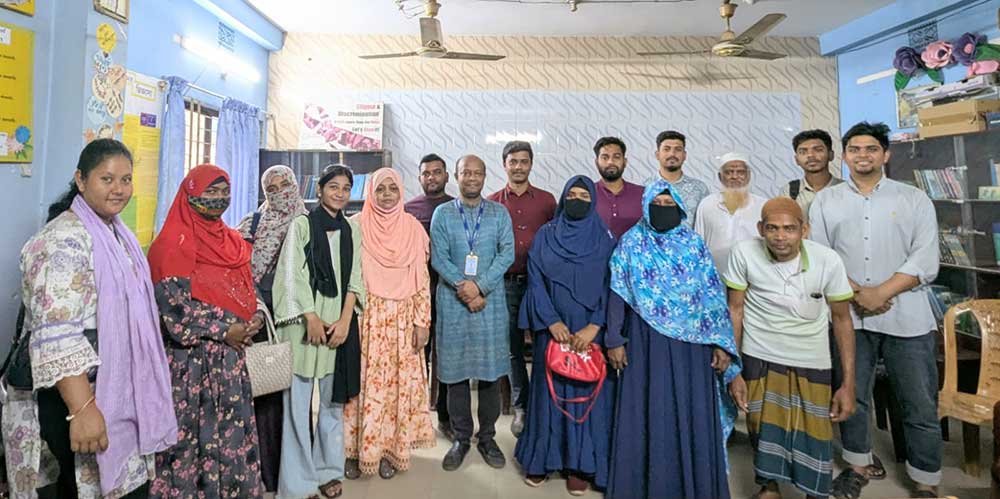
Citizen groups across Noakhali Sadar, Sonaimuri, Subarnachar and Begumganj came together for their third quarterly meetings, where they discussed women’s safety, corruption in public services, market hardship and the urgent need for more accountable local governance. The meetings brought together local residents, volunteers and community representatives, creating a space to reflect on community concerns, review progress and prepare key messages for engagement with the local administration.
Nagorikata: Civic Engagement Fund (CEF)’s programme titled “Achieving a Peaceful, Just and Inclusive Society through Enhanced Engagement of Civil Society and Citizens in Bangladesh”, is designed to empower marginalised communities, including women, youth and ethnic minorities, by enabling them to participate more effectively in local decision-making processes. The project places particular emphasis on citizen mobilisation, social audits and constructive engagement with local authorities to improve public service delivery and accountability. This programme is jointly funded by Switzerland, Canada and the European Union, managed by the GFA Consulting Group, and implemented by CPD.
This marked the third round of quarterly meetings organised by CPD under the project. In this third cycle, 16 quarterly meetings were conducted with Citizen Groups across Bogura, Sherpur, Sunamganj and Noakhali, covering selected upazilas where socio-economic vulnerabilities and governance challenges were more pronounced. In Noakhali, four of these meetings were held in Noakhali Sadar, Sonaimuri, Subarnachar and Begumganj.
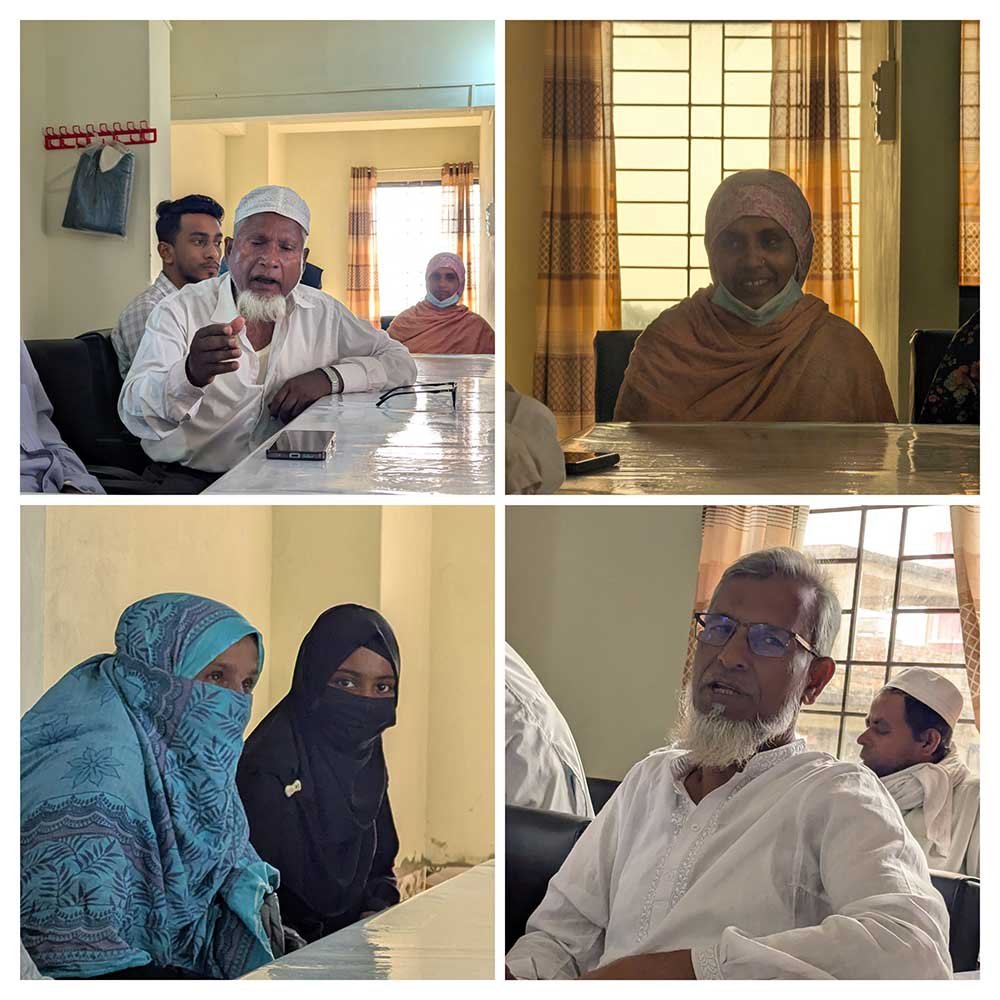
Implemented locally by Participatory Research and Action Network (PRAAN), the Noakhali meetings focused on reviewing earlier decisions, reflecting on lessons from social audits and discussing how local concerns could be raised more effectively with public authorities. Across the four upazilas, participants emphasised that ordinary citizens, especially women and marginalised groups, still faced serious barriers in accessing fair, responsive and transparent services.
Several concerns ran through all four meetings. Participants spoke about corruption and harassment in administrative services, weak access to healthcare, violence against women, safety risks for women in public spaces and the continuing struggle of poor families with rising prices and limited opportunities. The discussions showed that local people were not only identifying these problems, but were also becoming more organised in demanding practical solutions.
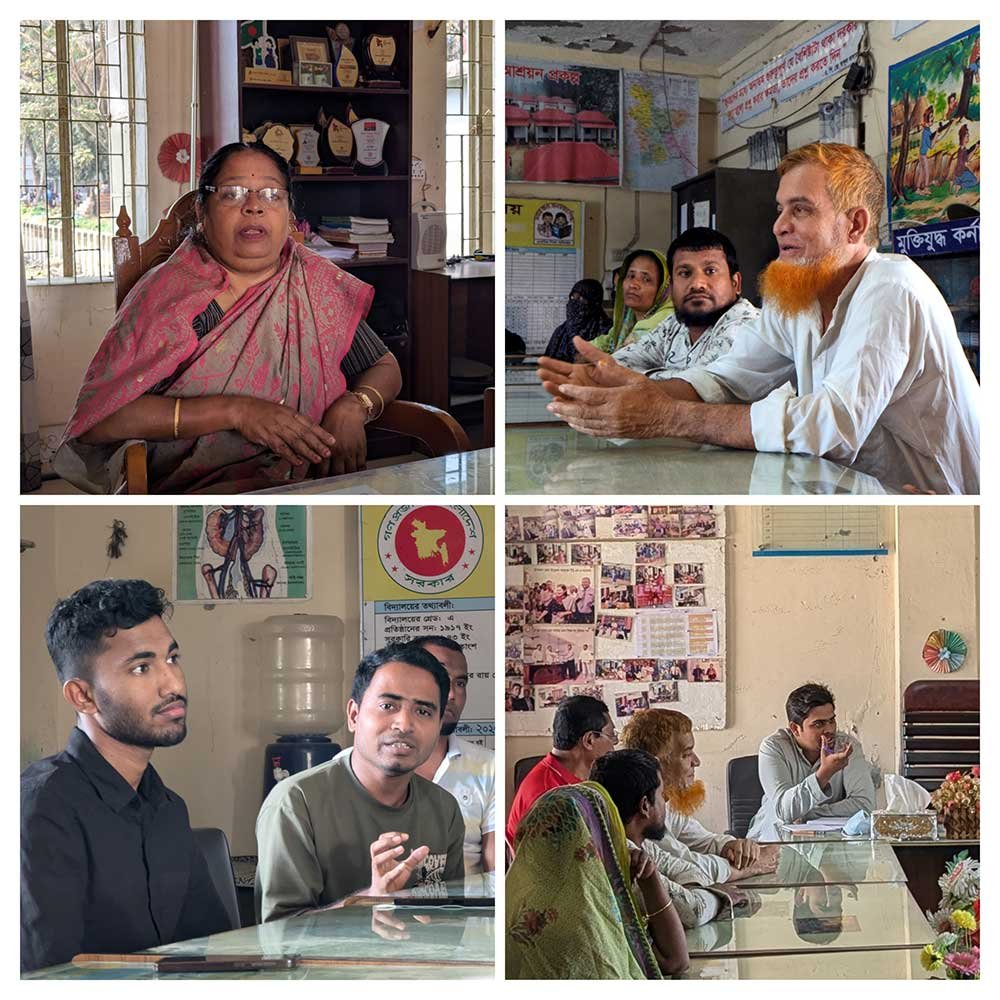
In Noakhali Sadar, participants highlighted corruption and harassment in NID card and birth registration services, the lack of maternity allowances, violence against women and concern over juvenile gangs and market syndicates. They also spoke about the need to reduce legal complexity, strengthen social protection and make local government more responsive to grassroots needs.
In Sonaimuri, participants described cultural resistance during social audit fieldwork, including hostility towards women’s participation, and raised concerns about women’s safety, digital harassment, nepotism and the lack of transparency in Union Parishad activities. They also stressed the need for better healthcare, safe drinking water, fair prices for agricultural products and a stronger response to drug-related problems.
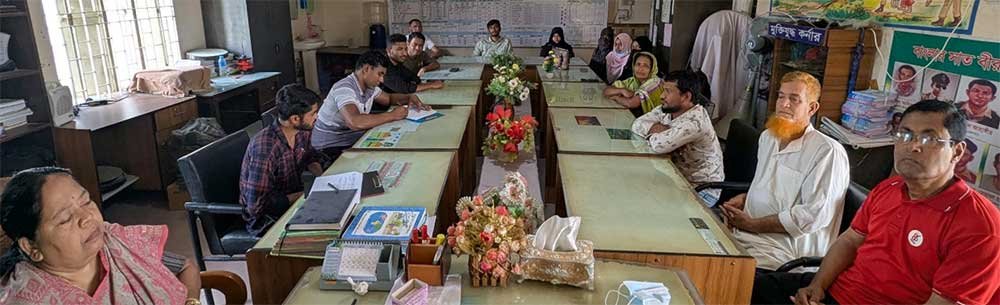
In Subarnachar, discussions centred on poor awareness of government services, weak medical support, violence against women and the slow pace of women’s social participation. Participants also drew attention to river erosion, saline tidal flooding, harassment by electricity officials, corruption, lack of voting privacy and the need for safer drinking water and stronger community clinics.
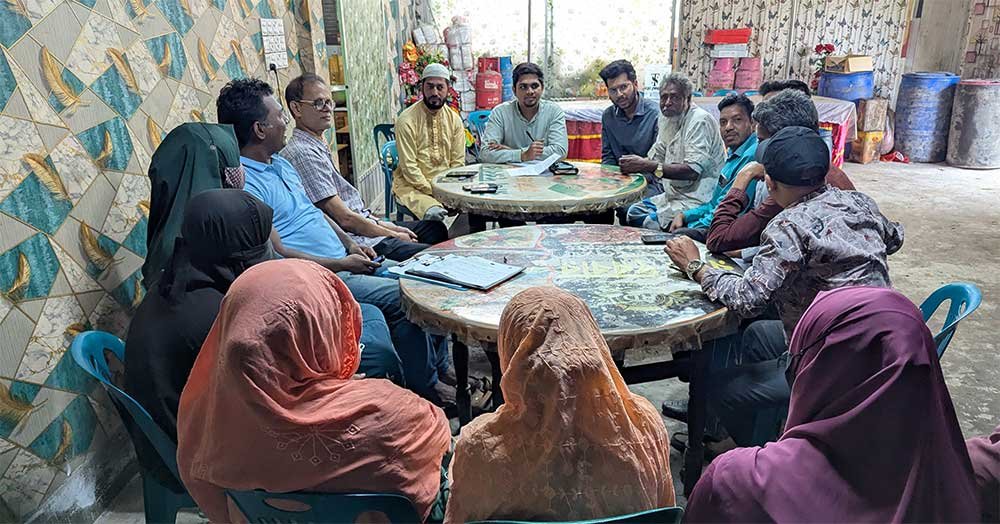
In Begumganj, members focused on the difficulty of collecting authentic data on gender-based violence, fears of retaliation when sensitive governance issues were raised, rising commodity prices, drug addiction, weak law and order, shortages in the health sector and the growing concern of mobile phone addiction among young people. They also called for stronger IT education and stricter protection of agricultural land.
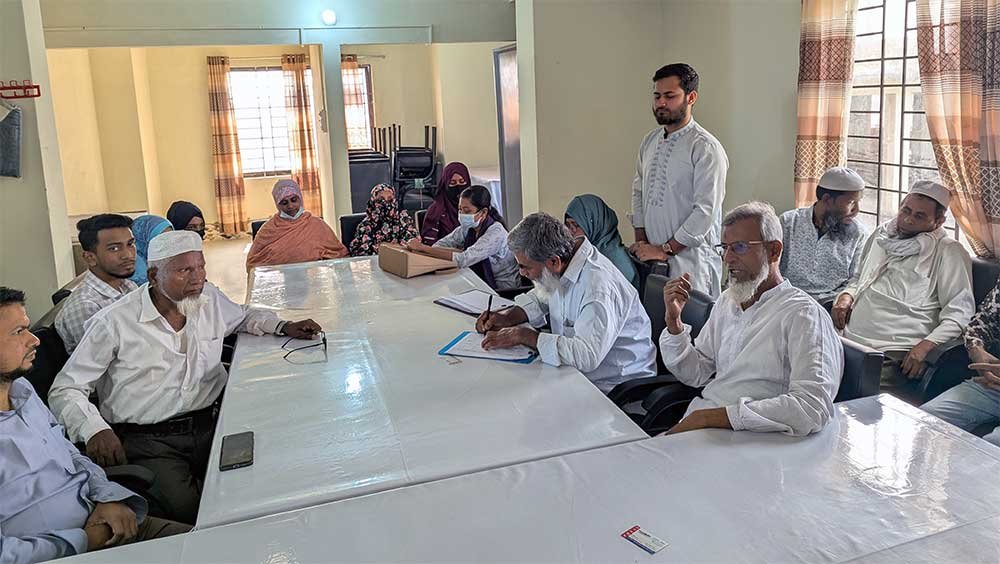
A strong message across all four meetings was that social audits had become an important tool for exposing service gaps and helping citizens speak with greater confidence. Participants said the process had helped communities gather evidence, identify neglected issues and prepare more credible demands for discussions with the Deputy Commissioner and other officials.
The meetings also reflected active participation by women, young people and marginalised citizens. Their presence reinforced the programme’s wider goal of ensuring that those most affected by inequality, insecurity and service failures were included in local discussions and advocacy efforts.
Taken together, the four quarterly meetings in Noakhali Sadar, Sonaimuri, Subarnachar and Begumganj showed that citizen groups in Noakhali were doing more than sharing concerns. They were drawing attention to women’s safety, public service failures, environmental threats and economic pressure, while pressing for more transparent, inclusive and accountable local governance.