

In Bangladesh’s rapidly evolving economic landscape, the agro-processing industry stands as a cornerstone of growth, contributing approximately 1.7 per cent to the national GDP. However, as energy demands rise and global sustainability standards tighten, the sector must rethink its power consumption.
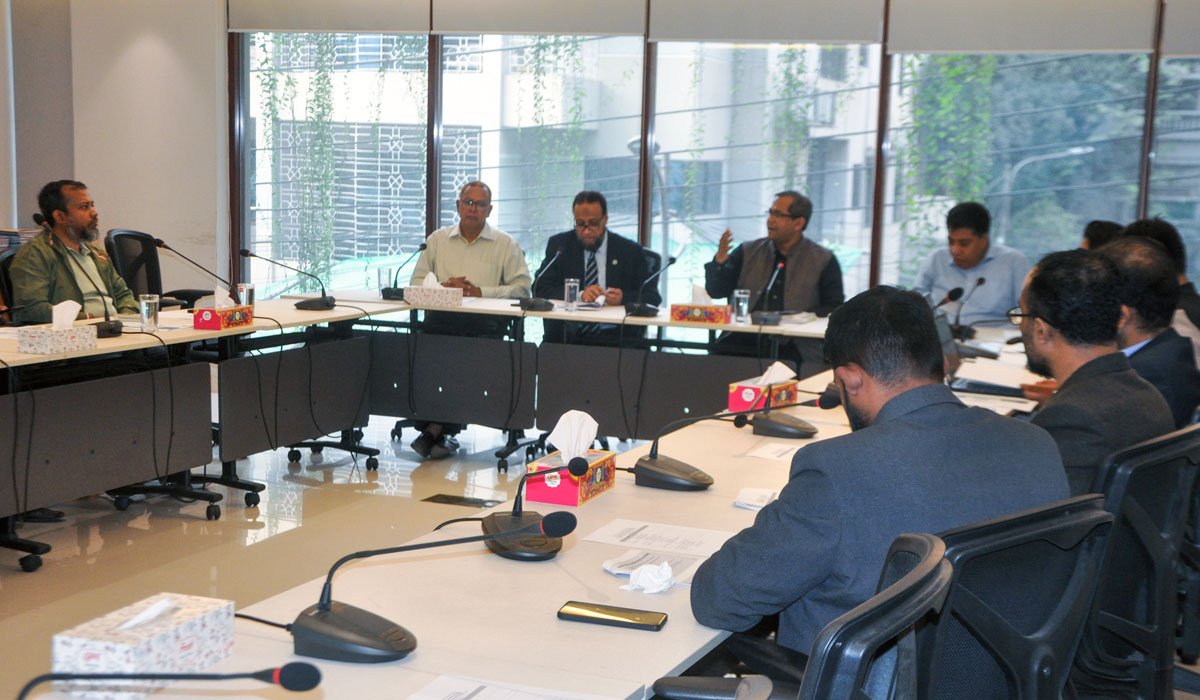
On December 8, 2025, CPD’s Power and Energy Study organised a discussion session, in collaboration with the Bangladesh Agro-Processors’ Association (BAPA), to operationalise the Private Sector Renewable Energy Forum (PSREF). The session focused on identifying the specific hurdles faced by agro-processors and showcasing the “changemakers” who are leading the way in industrial solar adoption. The dialogue highlighted several large-scale enterprises that have already integrated significant renewable energy capacity into their operations, proving the commercial viability of rooftop solar.
Representatives from PRAN-RFL also shared their progress, noting that they are currently generating 4 MW from solar across their facilities, with a roadmap to reach 10 MW. While larger firms have made significant strides, the transition for small and medium-sized enterprises (SMEs) remains fraught with obstacles. During the open floor discussion, participants voiced concerns regarding the financial and regulatory environment.
Mr Bellal Hossain, CEO of BAPA, highlighted a critical gap in the current framework: “The current net-metering policy is only applicable to those with a 33 kV connection. Most small and mid-sized factories operate on 11 kV connections, which means they are effectively locked out of the benefits of selling excess power back to the grid. To make the transition inclusive, we must expand these policies to cover all tiers of industry.”
Beyond policy limitations, participants identified several recurring bottlenecks. Unlike larger corporations, smaller factories often lack the collateral or credit rating to access low-interest green funds, leaving them at the mercy of commercial lending rates. Many agro-processors are hesitant to switch due to a lack of technical knowledge regarding system maintenance and the long-term ROI of solar components. Additionally, the lengthy approval process for solar installations often discourages owners from pursuing RE projects.
To address these challenges, CPD and BAPA have committed to joint action plans through PSREF. The forum will focus on three key areas: Knowledge Dissemination, Financial Advocacy, and Field Exposure. To demystify the transition, CPD will produce knowledge products that will explain solar installation systems, financial schemes, and how to communicate effectively with investors and developers. Furthermore, PRAN-RFL and CPD will collaborate to organise field visits to existing solar plants, allowing prospective adopters to see the technology in action.
The agro-processing sector holds immense potential to drive Bangladesh’s green energy goals. However, the PSREF-BAPA dialogue made it clear that “going green” cannot be a solo effort. By advocating for streamlining access to green finance, the PSREF aims to ensure that every factory, regardless of its size, can harness a more sustainable future.