

The Bangladesh tannery industry remains a vital economic pillar, contributing approximately 0.6 per cent to the national GDP and generating over USD 1 billion in annual export earnings. However, as global markets, particularly in Europe and the US, demand higher environmental standards, the sector faces increasing pressure to transition toward sustainable energy.
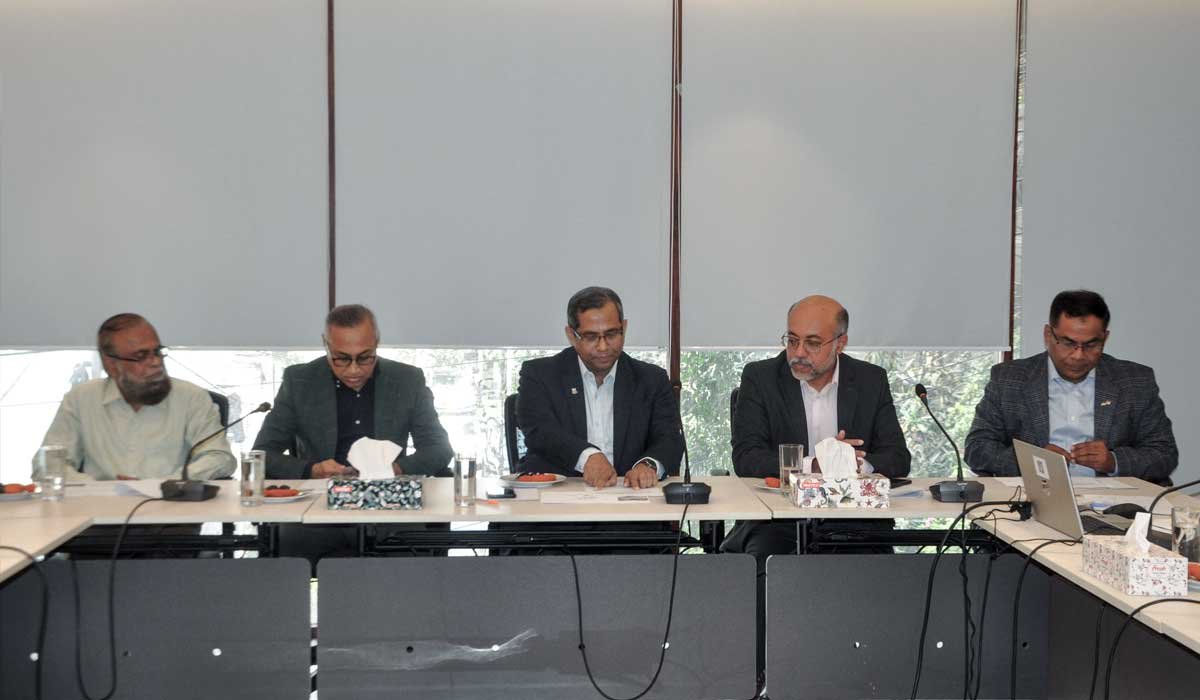
On February 18, 2026, CPD’s Power and Energy Study hosted a discussion session under the Private Sector Renewable Energy Forum (PSREF), in collaboration with the Bangladesh Tanners’ Association (BTA). The session focused on how the tannery sector can move beyond traditional energy consumption by integrating renewable energy solutions to lower operating costs and reduce greenhouse gas emissions.
During the session, participants reviewed successful case studies, such as the UNIDO-led “Re-Tie-Bangladesh” project, which implemented solar water heating systems in three tanneries. These initiatives have already demonstrated that RE adoption is not merely a theoretical goal but a practical way to achieve significant energy savings. However, industry leaders noted that while large-scale projects are visible, the broader adoption of rooftop solar and other green technologies is still in its infancy within the tanning clusters. The discussion emphasised that for the industry to maintain its 3 per cent share of the global leather market, a shift toward “green” manufacturing is essential to meet the compliance requirements of international buyers.
The open floor discussion revealed that financing and technical complexity remain the primary hurdles for most tannery owners. Md. Shaheen Ahamed, Chairman, Bangladesh Tanners’ Association (BTA), pointed out that many tanneries are eager to transition but struggle with the lack of technical expertise and the high cost of high-quality solar components. Furthermore, representatives from the banking sector, including Ms Tahmina Zaman, Head of Sustainability at Mutual Trust Bank Plc. (MTB), highlighted a significant challenge in the financial landscape: many commercial banks are failing to meet the strict sustainability compliance scores required to facilitate green funding effectively. This creates a bottleneck where available green finance does not reach the factories that need it most.
To bridge these gaps, CPD and BTA have committed to a collaborative roadmap through the PSREF, focusing on targeted advocacy and capacity building. A key outcome of the session was the decision to produce specialised knowledge products to guide factory owners through the technicalities of solar installation and the documentation required for green loans. CPD will also intensify its role as a bridge between industry and financial institutions, advocating for more streamlined lending processes. Through the clarification of technical and financial complexities associated with the energy transition, the PSREF seeks to secure long-term sustainability for the tannery sector while maintaining its competitive edge in the global leather market.
To provide a more comprehensive view of these developments, it is essential to look at how the Private Sector Renewable Energy Forum (PSREF) acts as a thematic bridge across diverse industrial landscapes, from knitwear and agro-processing to leather and tanning. While each sector faces unique operational hurdles, the overarching goal remains the same: transitioning from a high-carbon energy model to a sustainable, solar-reliant framework.
A recurring theme across all CPD-led discussions is the identification of “changemakers.” These are large-scale enterprises that have successfully navigated the technical and financial complexities of solar adaptation. By highlighting firms like Fakir Apparels in the RMG sector, PRAN-RFL in agro-processing, and Apex Footwear in the leather industry, CPD is shifting the narrative from “is it possible?” to “how can we scale it?”
These pioneers serve as living laboratories. For instance, the use of a Battery Energy Storage System (BESS) by Fakir Fashions is a critical case study for the entire industrial sector. It addresses the “intermittency” problem of solar power, ensuring that factories remain operational even when the sun isn’t shining, thereby reducing the heavy reliance on diesel generators during peak hours or grid instability.
While giants have the capital to experiment, the “missing” small and medium-sized enterprises (SMEs) face a much steeper climb. The sessions revealed a significant policy gap. Furthermore, the “cost of capital” remains a deterrent. While the Bangladesh Bank offers green financing, the documentation process, often cited as taking 9 to 10 months, is far too slow for the fast-paced manufacturing world. PSREF’s role here is advocacy: pushing for a streamlined “fast-track” for green loans and ensuring that commercial banks are equipped with the sustainability scoring systems required to disburse these funds effectively.
One of the most profound takeaways from these sessions is that the barrier is often not just financial, but informational. Many factory owners expressed “technical anxiety,” a fear that they might invest in the wrong technology or that maintenance would be too complex.
To counter this, CPD is focusing on Knowledge Products. The goal is to demystify technical jargon, explain the Return on Investment (ROI) in simple terms, and provide clear checklists for communicating with Engineering, Procurement, and Construction (EPC) developers.
The operationalisation of PSREF marks a transition from isolated green projects to a synchronised industrial movement. By bringing together diverse associations, the forum creates a unified voice to lobby for fiscal reforms and to demand more inclusive energy policies.
This transition is more than just energy; it is about global market survival. As international brands and trade blocs implement stricter carbon taxes and environmental reporting requirements, Bangladesh’s ability to remain a global manufacturing hub will depend on how quickly its private sector can embrace the change. Through PSREF, CPD is ensuring that this journey is supported by rigorous research, strategic advocacy, and a collaborative spirit that leaves no industry behind.