

Originally posted in The Business Standard on 2 May 2026
Highlights
- Fahmida Khatun urged ending universal fuel subsidies; target farmers, irrigation, and transport instead.
- Said subsidies for all are unfair and unsustainable; benefit richer groups.
- Called for transparency in fuel pricing; alleged corruption and profit-making when global prices fall.
- Warned of weak economy: low reserves, falling exports, poor investment, slow job growth.
- Hassan Ahamed Chowdhury Kiron suggested VAT cuts, OMS expansion, and continuing support programmes.
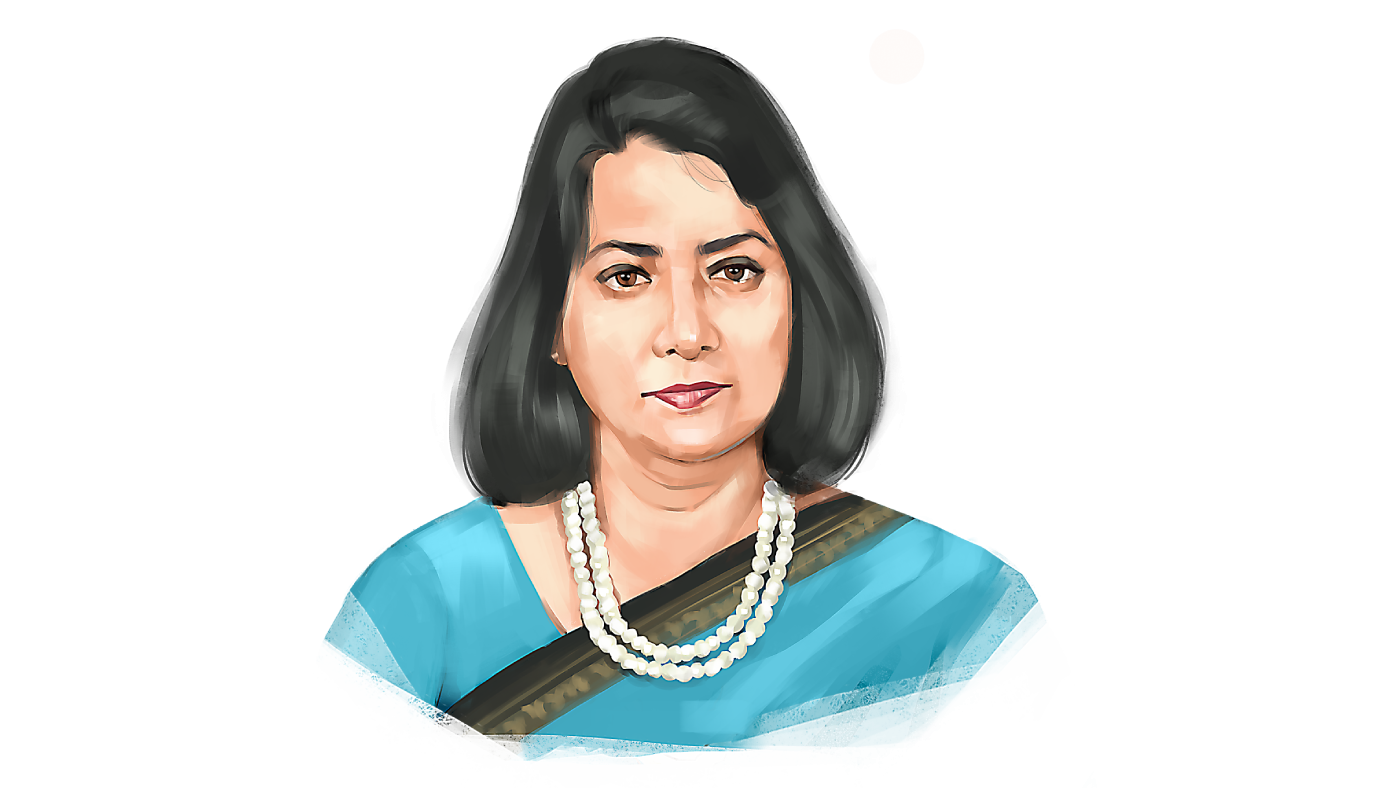
The government should move away from universal fuel subsidies and instead target support specifically toward farmers, irrigation, and public transport, Centre for Policy Dialogue Executive Director Fahmida Khatun has said.
Speaking as the chief guest at a debate competition organised by Debate for Democracy in Dhaka today (2 May), the CPD boss argued that the state lacks the capacity to provide universal subsidies, nor is it justifiable for the upper and upper-middle classes to benefit from them.
Fahmida stressed the need for transparency in the fuel pricing mechanism.
While the government has initiated monthly price adjustments as per conditions set by the International Monetary Fund, she noted that it has often opted to make a profit rather than reduce prices when international rates fall.
She said corruption exists within the sector and called for a transparent implementation of the pricing formula.
Alongside curbing unnecessary expenditures and corruption, the CPD chief advised the BNP government to increase investment in energy infrastructure and enhance fuel storage capacity.

Highlighting the importance of domestic resource exploration, she pointed out that various studies indicate Bangladesh can increase its gas production through further well-drilling.
She urged the government to view the upcoming national budget not merely as a yearly account of income and expenditure, but as a strategic tool to restore a fragile economic stability.
In the face of prolonged global volatility, she advocated for budget measures that strengthen the foundation of the domestic economy and establish the credibility of government policies.
Fahmida expressed concern over current economic indicators, noting that a $30 billion foreign exchange reserve is inadequate, as she observed declining exports and argued that remittances alone cannot bolster reserves.
Furthermore, private sector investment has dropped to 22% of the GDP, with foreign direct investment almost non-existent, leading to a stagnation in job creation, she stated.
In this context, the CPD chief emphasised the urgency of ensuring a conducive investment climate, increasing revenue collection, and ensuring transparency in social safety net programmes.
Hassan Ahamed Chowdhury Kiron, chairman of Debate for Democracy, who moderated the session, said the cost of living is rising due to price hikes in the international market and local fuel costs driven by the conflict in the Middle East.
To provide relief to common people, Kiron suggested a temporary reduction of VAT and taxes on essential commodities and an increase in affordable food supplies through the Open Market Sale (OMS) programme of the Trading Corporation of Bangladesh (TCB).
He also called for the continuation of flagship programmes like the Family Card and Farmer’s Card to protect low- and middle-income groups.
Kiron added that the upcoming budget should be people-friendly, sustainable, and balanced to avoid putting further pressure on the lower-middle-income classes.