
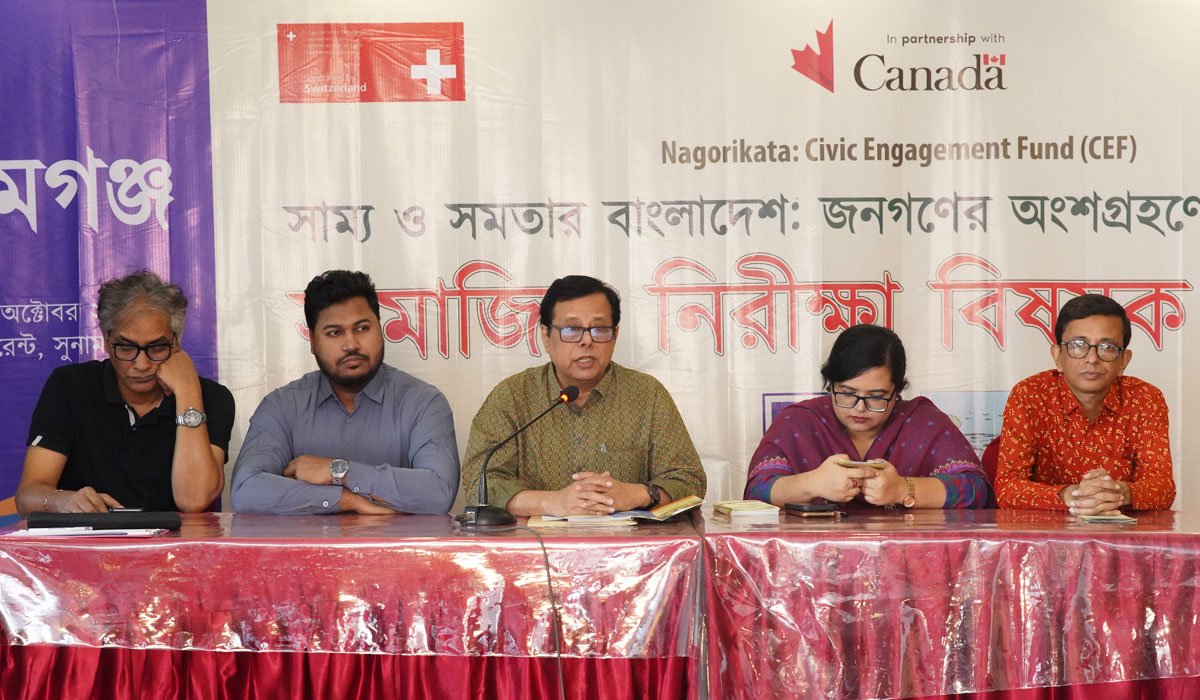
As part of CPD’s ongoing activities under the Nagorikata Programme, titled “Equality and Equity in Bangladesh: Sustainable Development with People’s Participation,” a training session on “Social Audit” was held in Sunamganj on 28 October 2025.
The training was organised as part of the Nagorikata Programme implemented by the Centre for Policy Dialogue (CPD), with the joint support of the Embassy of Switzerland in Bangladesh and the High Commission of Canada to Bangladesh, facilitated by GFA Consulting Group GmbH, and in collaboration with ERA – Efforts for Rural Advancement.
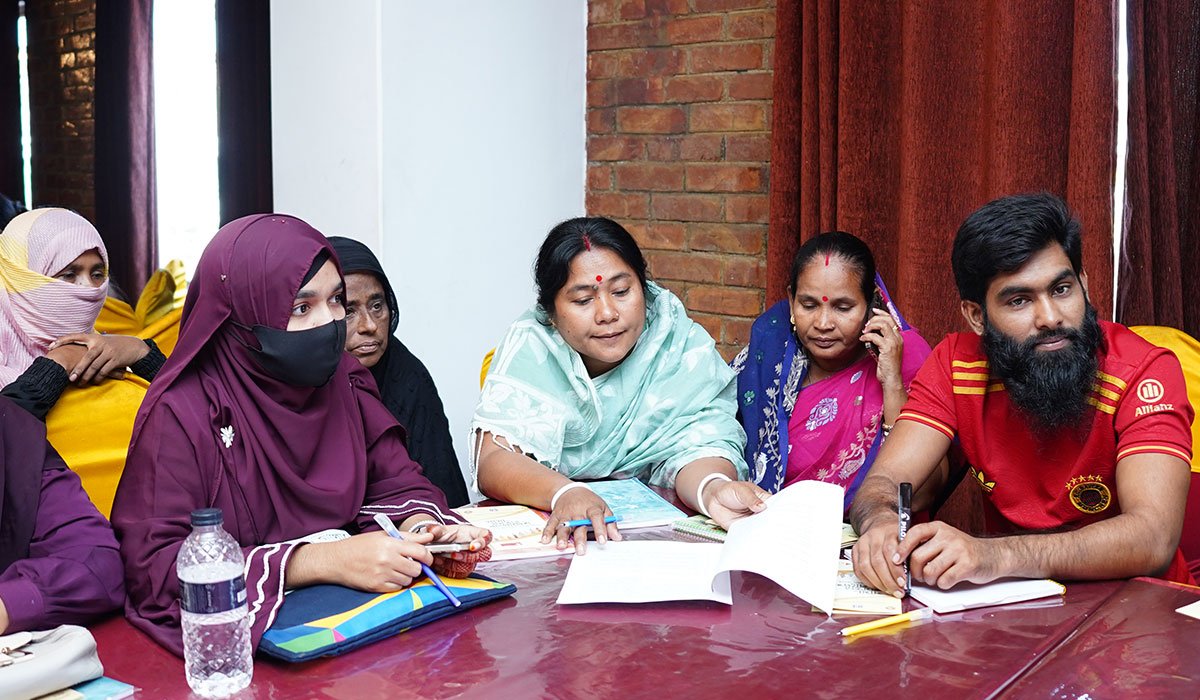
A total of 80 members from citizen groups formed under the programme, along with four community volunteers and field coordinators from four upazilas — Sunamganj Sadar, Tahirpur, Dowarabazar, and Bishwamvarpur — took part in the training.
The inaugural session featured remarks from Dr Psyche Islam, Executive Director of Efforts for Rural Advancement (ERA); Md Kamruzzaman, Programme Director, ERA; and Dr Dwijen Mallick, Project Coordinator of the Nagorikata Programme at CPD. In their speeches, they highlighted the importance of such training in promoting good governance and accountability at the local level through social audit practices.
The main sessions were conducted by the community volunteers and field coordinators of the Nagorikata Programme in Sunamganj, under the overall facilitation of Mr Mozahidul Islam Noyan, Project Consultant for Nagorikata and Mr Md Jaouadul Karim, Monitoring and Evaluation Associate, CPD.
During the core sessions, participants received hands-on training on the process and methodology of social audit, focusing on key principles such as the role of social audit in achieving the Sustainable Development Goals (SDGs) and ensuring good governance, the Human Rights-Based Approach (HRBA), Leave No One Behind (LNOB), and Gender Equality and Social Inclusion (GESI).
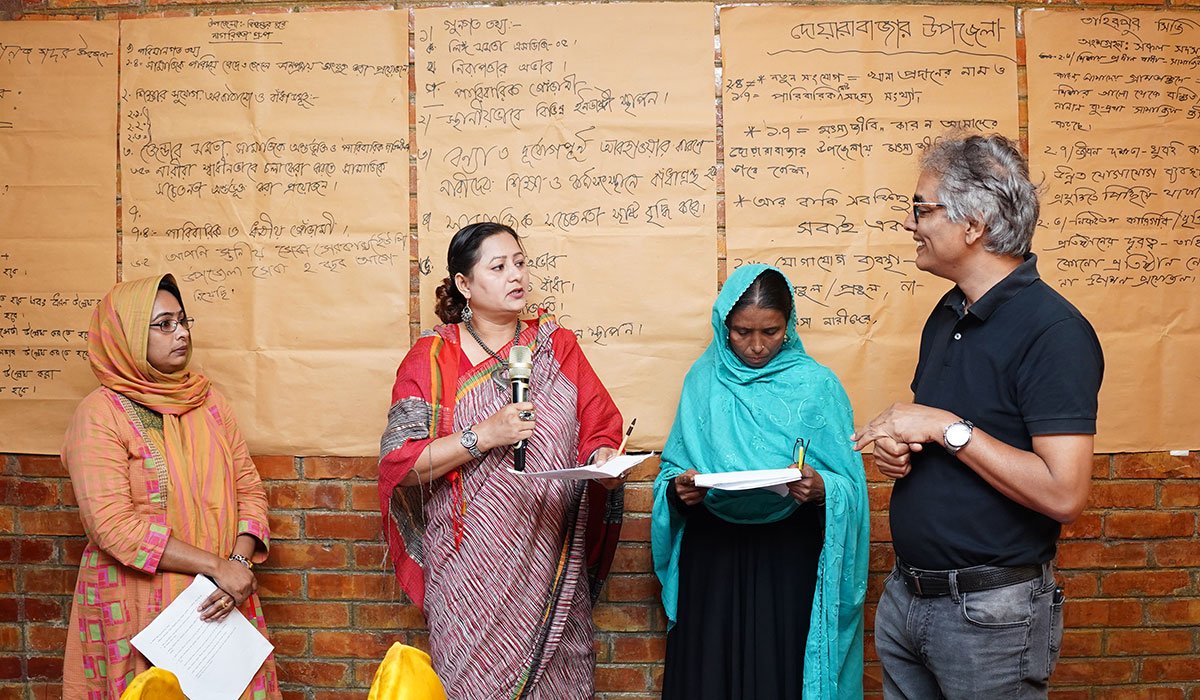
The training also included practical exercises involving the presentation of social audit survey questionnaires, conducting Focus Group Discussions (FGDs) and Key Informant Interviews (KIIs), as well as mock trials and group exercises on data collection and field planning. These interactive components enabled participants to gain first-hand experience and develop the necessary skills to successfully implement social audit initiatives.