
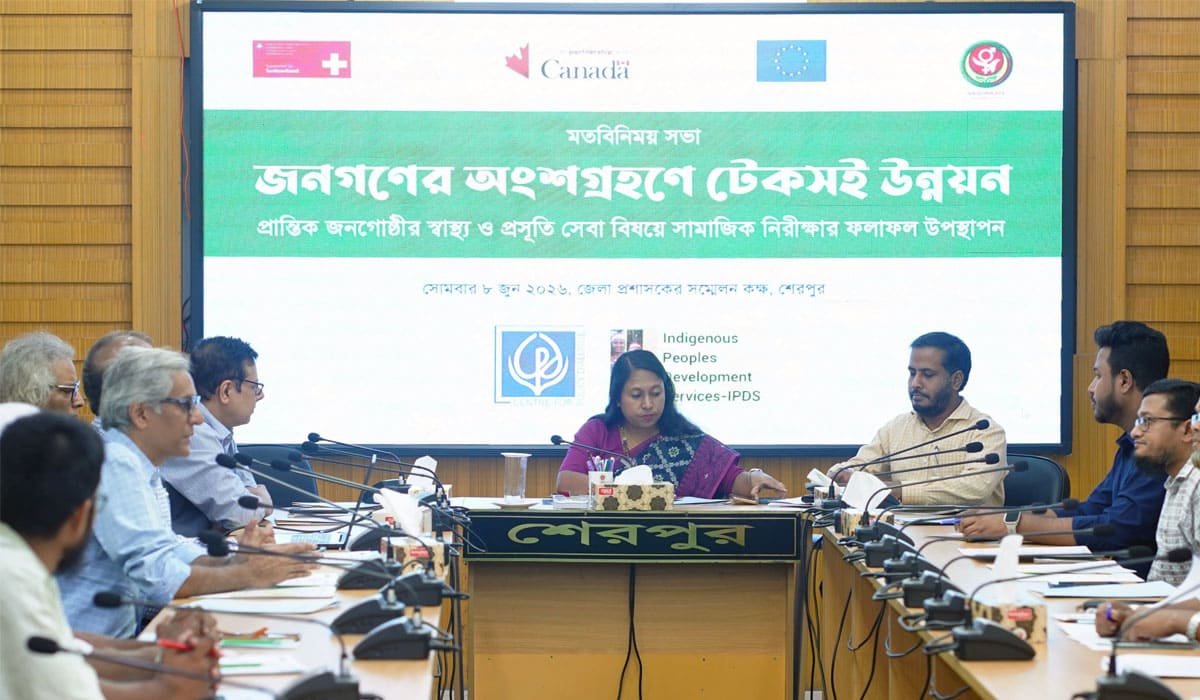
An initiative of the Centre for Policy Dialogue (CPD) under the Nagorikata Programme helped prevent the child marriage of Ms Shikha Ravi Das, a motherless adolescent from Araiani in Nalitabari Upazila of Sherpur. Through the Citizen Groups formed by CPD and Indigenous Peoples Development Services (IPDS) as an activity of the Nagorikata Programme, the case was identified at the community level and brought to the attention of Ms Farida Yasmin, Deputy Commissioner and District Magistrate of Sherpur, during a consultation on 8 June 2026. Following this, the Deputy Commissioner took prompt action, and the child marriage was stopped. The Sherpur District Administration also extended support to help Ms Shikha continue her education and live in a safer environment.
Under the Nagorikata: Civic Engagement Fund (CEF) Programme, CPD and IPDS formed four Citizen Groups in Sherpur Sadar, Nalitabari, Nakla and Jhenaigati upazilas. These groups were created to strengthen citizens’ capacity to engage with local authorities and raise public-service concerns in an organised and evidence-based manner. The main objective was to enable communities to identify gaps in service delivery, communicate their concerns to relevant institutions and contribute to more accountable local governance.
The Nagorikata Programme, titled “Achieving a Peaceful, Just and Inclusive Society through Enhanced Engagement of Civil Society and Citizens in Bangladesh”, is jointly supported by the Embassy of Switzerland, Global Affairs Canada and the European Union, facilitated by GFA Consulting Group, and implemented by CPD.
As part of the programme’s capacity-building activities, the Citizen Groups conducted a social audit on public health and maternity services in the four upazilas. The audit examined access to government health facilities, maternal and institutional delivery services, availability of doctors, medicines, beds and equipment, quality of care, informal payments, corruption, accessibility barriers and citizens’ experiences with the health system.
The social audit followed a mixed-method approach. A structured survey was conducted with 400 respondents, along with 14 key informant interviews and eight case studies. The findings were then analysed to identify the major gaps in health and maternity service delivery across Sherpur.
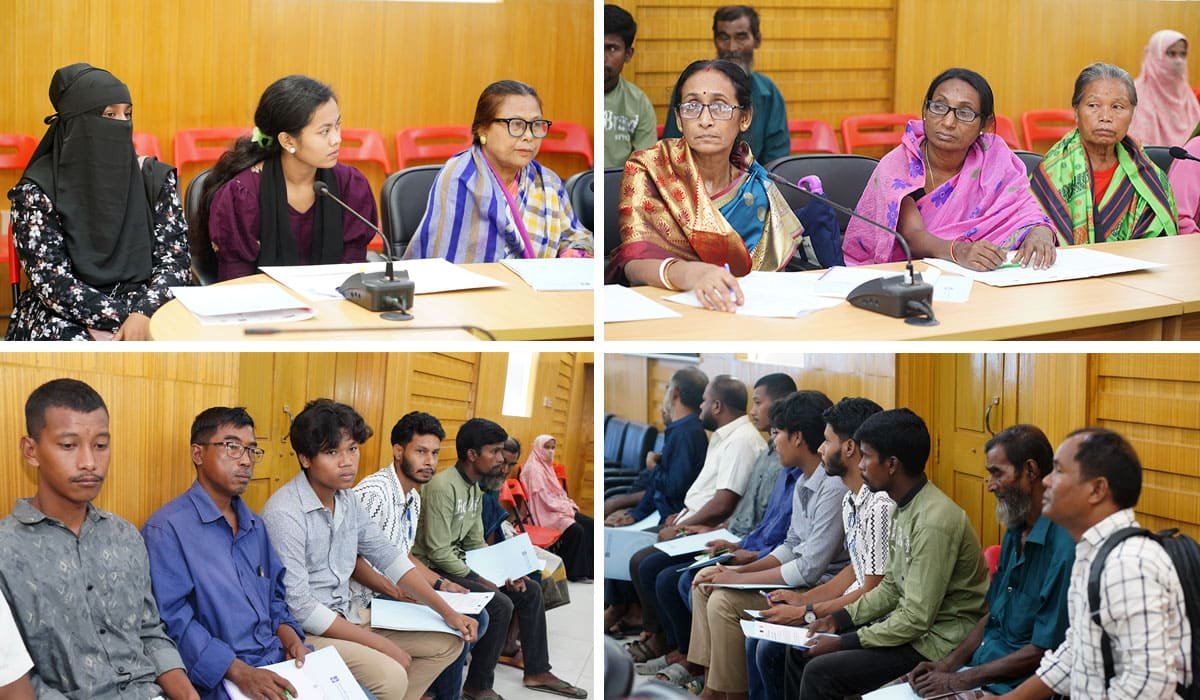
The analysis showed that some areas of Sherpur were performing comparatively better, while others faced shortages of medicines, beds, specialist doctors and essential services. The audit also highlighted irregular medicine supplies, pressure on upazila health complexes, low use of community clinics and union-level facilities, and concerns relating to institutional delivery and maternal healthcare.
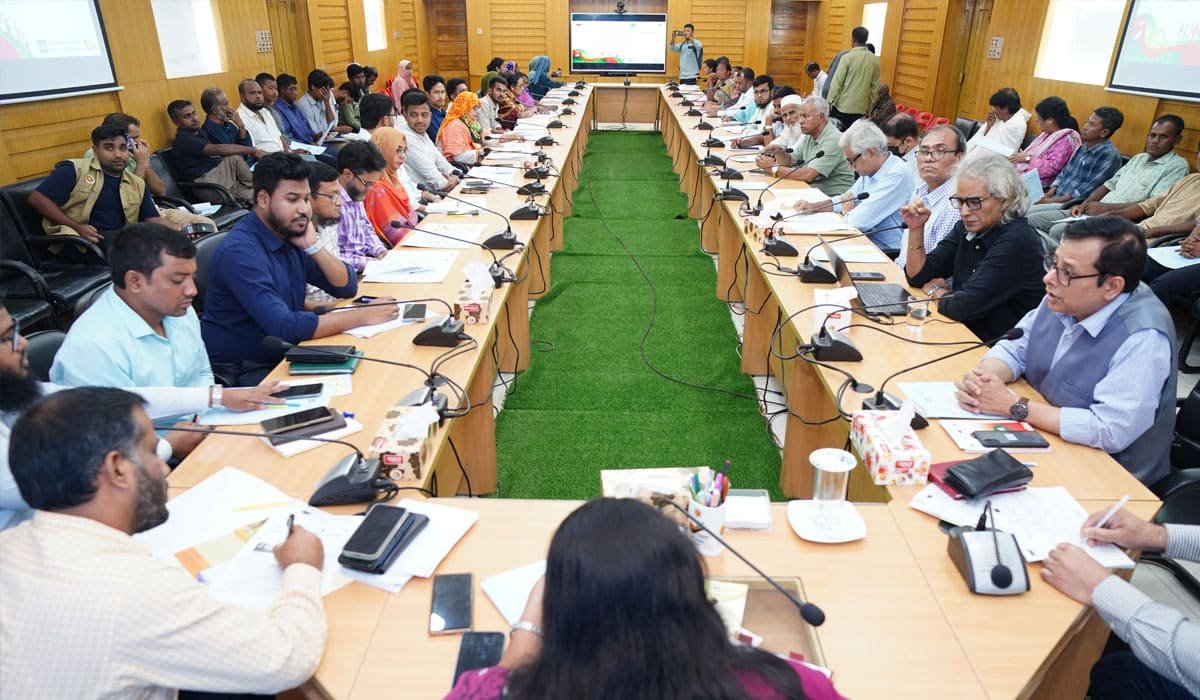
To share these findings with the local authorities, CPD and IPDS organised a consultation on 8 June 2026 at the conference room of the Deputy Commissioner’s Office in Sherpur. Government officials from the concerned upazilas, including Upazila Health and Family Planning Officers, were present at the event, along with Citizen Group members, social audit participants and other relevant stakeholders.
Ms Farida Yasmin attended the consultation as the Chief Guest, while Dr Muhammad Shaheen, Civil Surgeon of Sherpur, was present as the Special Guest. Mr Sanjeeb Drong, President of IPDS, and Dr Dwijen Mallick, Project Coordinator of the Nagorikata Programme at CPD, delivered the welcome remarks.
The social audit findings were presented by Mr Md Mojahidul Islam, Project Consultant, Nagorikata, CPD, and Mr Md Jawadul Karim, Monitoring and Evaluation Associate, CPD. The programme was moderated by Mr Avra Bhattacharjee, Additional Director, Dialogue, Communication and Outreach, CPD.
During the open discussion, Citizen Group members and participants shared the challenges they had identified through the social audit. Alongside issues related to health and maternity services, the case of Ms Shikha Ravi Das was also presented as an urgent concern requiring administrative attention.
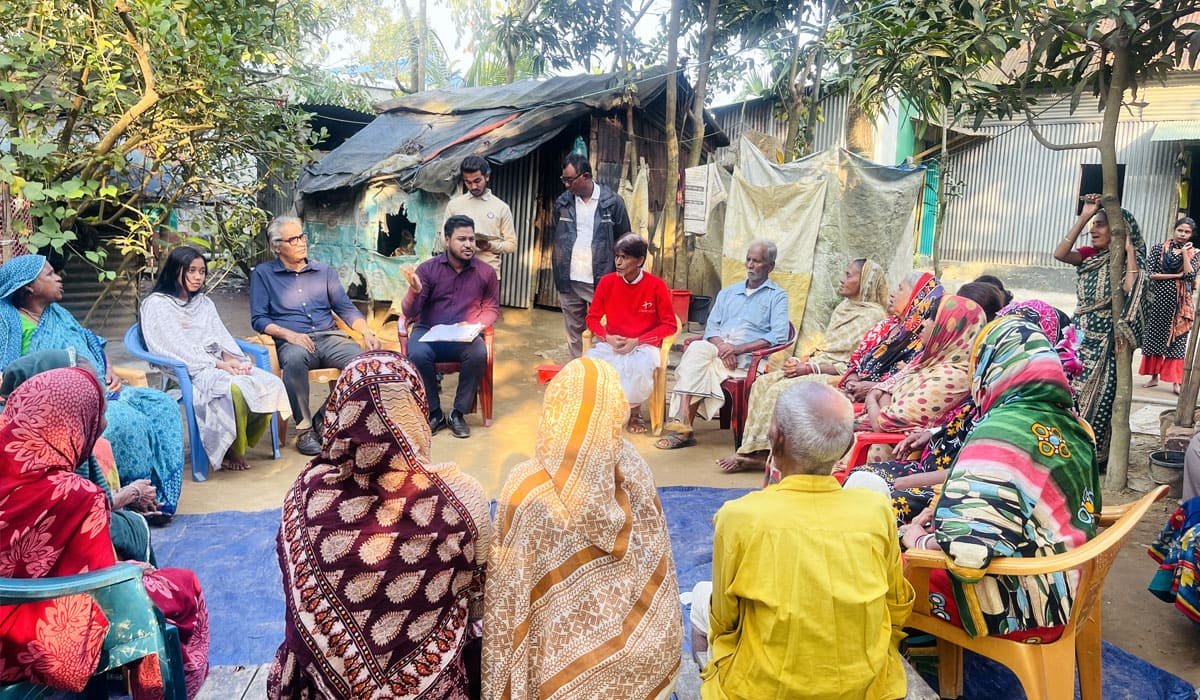
Ms Farida Yasmin listened to the concerns raised at the meeting and took immediate steps on issues that could be addressed at the local level. The most significant outcome was the prevention of Shikha’s child marriage. On 9 June 2026, the Deputy Commissioner provided financial assistance to support Shikha’s continued education. The District Administration also committed to constructing a house for her through the Sherpur District Administration Foundation, considering her need for a safe and dignified living environment.
The Deputy Commissioner also initiated follow-up action on other local-level concerns raised during the consultation. Issues requiring broader policy decisions, additional resources or national-level institutional action will be taken forward by CPD through its engagement with relevant stakeholders.
The experience shows how CPD’s initiative under the Nagorikata Programme helped connect community-level evidence with local decision-making. By forming and supporting Citizen Groups, facilitating the social audit and creating a space for direct dialogue with the district administration, CPD contributed to a concrete outcome: a vulnerable adolescent was protected from child marriage, and local service-delivery concerns received immediate administrative attention.