

Publications
CPD’s current publication list contains more than 500 titles including Books, Monographs, Working Papers, Dialogue Briefs and Policy Briefs. If you want to collect the hard copies of the publications, please contact with CPD. You can find the soft copies of the book in the CPD website.
July 6, 2023
বাংলাদেশের কৃষি খাতের অর্জিত ক্রমবর্ধমান অগ্রগতি অব্যাহত রাখতে কৃষি বাজেট গুরুত্বপূর্ণ ভূমিকা পালন করে। খাদ্য উৎপাদনে স্বয়ংসম্পূর্ণ হবার মধ্যে দিয়ে, ইতোমধ্যেই বাংলাদেশ রূপকল্প ২০৪১ বাস্তবায়নে এগিয়ে যাচ্ছে। Read more
July 4, 2023
The existing geopolitical challenges have made the 49th G7 Summit -slated to be held in Japan - a major event for developing countries like Bangladesh. Besides, international civil societies demand ‘to develop a roadmap to operationalise the G7 leaders’ commitment to end government support for all fossil fuels through transition to renewable energy. Read more
June 1, 2023
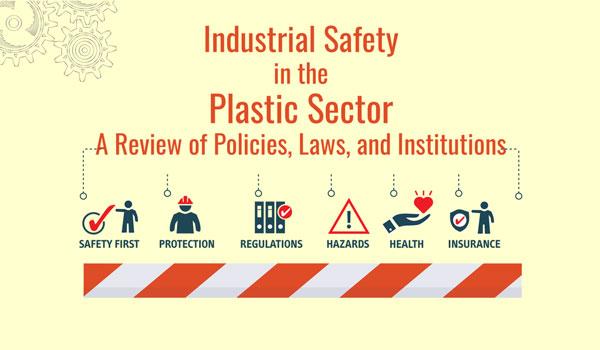
The frequent incidents of industrial accidents in the plastic sector indicate that the Occupational Safety and Health (OSH) standards of plastic factories are below the minimum level of compliance Read more
May 27, 2023
IMF has approved of Bangladesh’s request for a USD 4.7 billion loan in January 2023 with the aim of preserving its macroeconomic stability, protecting the vulnerable and promoting inclusive and green growth. Read more
April 27, 2023
Bangladesh is scheduled to graduate from the group of Least Developed Countries (LDCs) in November 2026. This paper discusses the challenges faced by Bangladesh as a graduating LDC in the context of developments in the World Trade Organization (WTO). Read more
April 13, 2023
Bangladesh’s readymade garments (RMG) industry has made significant improvements in Occupational Safety and Health (OSH) over the last decade, especially in the years after the Rana Plaza tragedy. Read more
March 29, 2023
The production of plastic products needs to be minimised as recycling alone is not sufficient to tackle plastic pollution. City corporations bear a substantial amount of the clean-up cost due to indiscriminate disposal of single-use plastic products. Read more
March 29, 2023
Bangladeshi cities have extremely poor air quality compared to other cities in Asian and South Asian countries, posing serious health and economic concern for the citizens. Read more
March 29, 2023
The National Budget for FY2022–23 was placed in the Parliament during June 2022. It was approved at a time when Bangladesh's economy had been confronting a number of domestic and external challenges. Read more
March 25, 2023
Plastic pollution is quite widespread in Bangladesh, as the country exhibits a pervasive throwaway culture where waste is deliberately discarded on the streets of urban cities. In
2020, the total plastic waste collected in Dhaka alone was 646 tons which accounts for only 10 per cent of the total waste. Read more
March 24, 2023
Bangladesh, particularly its capital city Dhaka, has been on the top of the mantle for having the worst air quality in the world. Economic development induced by rapid industrialisation, urbanisation and energy consumption is responsible for the degradation of air quality in major cities of Bangladesh. Read more
March 16, 2023
The United Nations Guiding Principles (UNGPs) is the guiding international document for states and enterprises to comply with human rights in business operations and, more broadly, to ensure sustainable industrial development in a country. Read more